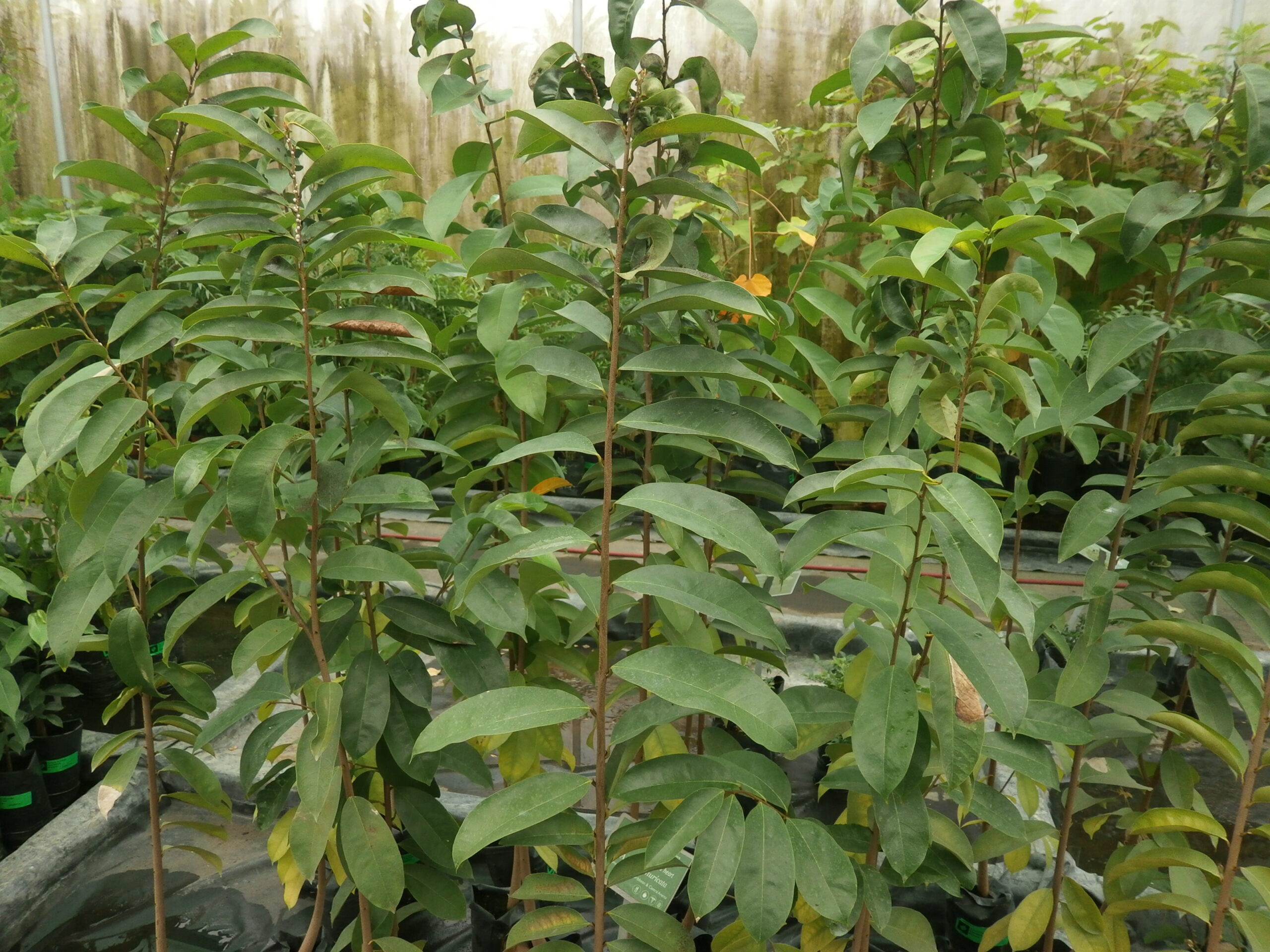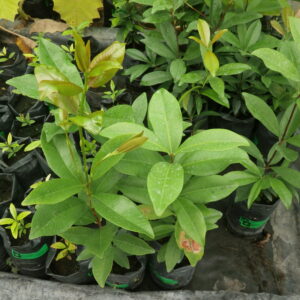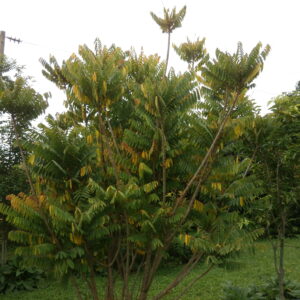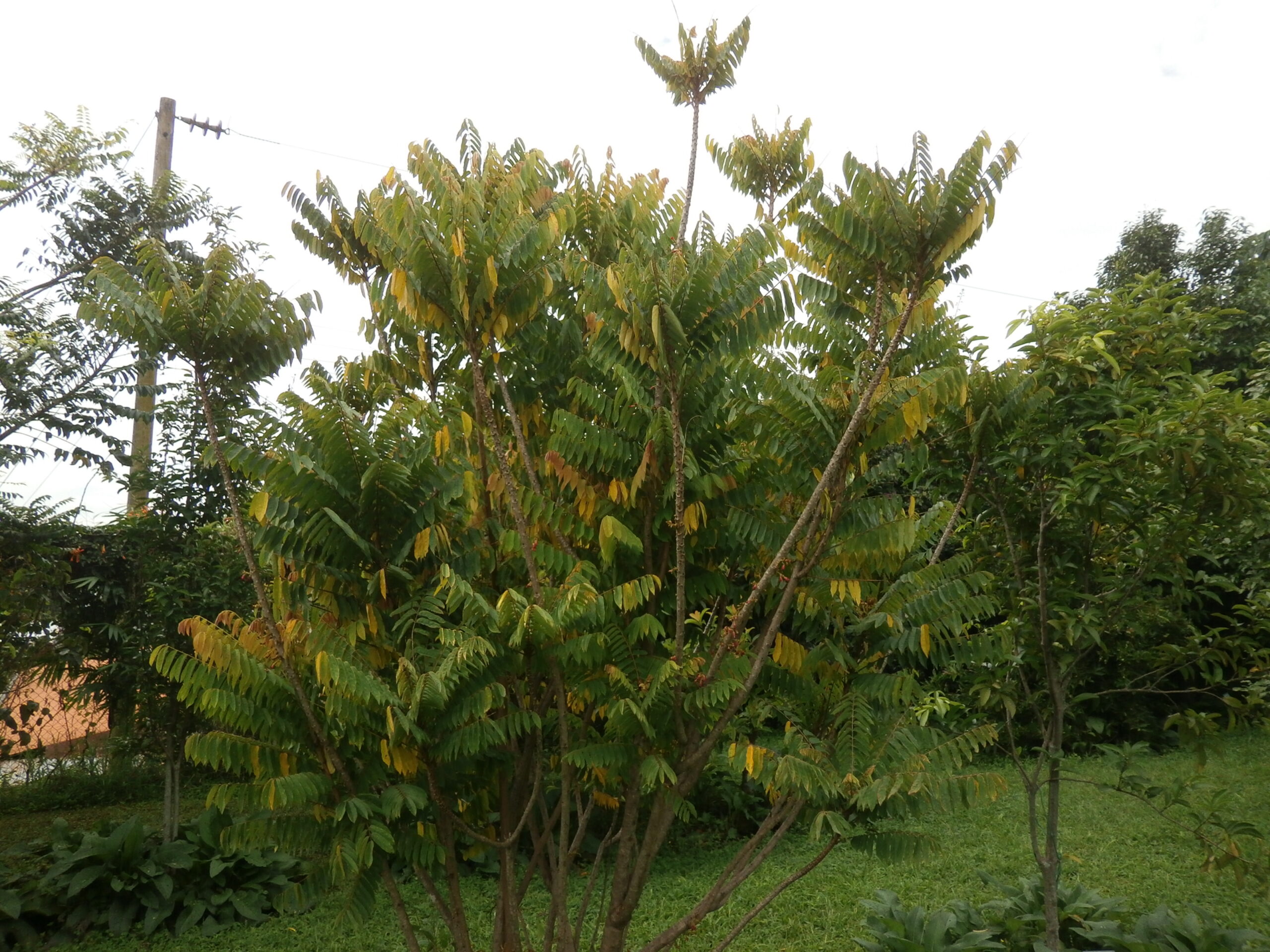
Sapote sout
₡7,700.00
Scientific name: Quararibea cordata
Family:
Origin:
Medicinal use:
6 in stock

Related products
-
Out of Stock
Goji berry
Chinese, Fruit orchard ₡2,550.00 Read more
Goji berry
₡2,550.00
SKU: 0850 Categories: Chinese, Fruit orchardScientific name: Lycium barbarum
Family: Solanaceae
Origin: China
Medicinal use: It is a hedge or scrub shrub that reaches between 2 and 3 meters in height, and between 2 and 3 and a half meters in width. It has thorny branches and long, whole and somewhat thick leaves. The fruit is a fleshy ovoid berry of red or orange color. Goji berries have been attributed multiple health benefits, however various articles have questioned the scientific endorsement of these alleged virtues.
Out of stock
-
Mulberry, Black
Culinary Garden, Fruit orchard ₡2,550.00 Add to cart
Mulberry, Black
₡2,550.00
SKU: 1390 Categories: Culinary Garden, Fruit orchardScientific name: Morus nigra
Family: Moraceae
Origin: Asia
Medicinal use: Morus nigra, is a tree species belonging to the Moraceae family, native to southwestern Asia. The edible fruit is purple-black, the fruit is refreshing and can be consumed directly or made with jam, syrups or drinks. Blackberries are rich in vitamin C. Blackberry syrup has been used as a gargle against inflammation.
11 in stock
-
Mangosteen, Lemon drop
Fruit orchard ₡2,550.00 Add to cart
Mangosteen, Lemon drop
₡2,550.00
SKU: 1105 Category: Fruit orchardScientific name: Garcinia intermedia
Family: Clusiaceae
Origin: Mexico and C America
Medicinal use: The jorco (Garcinia intermedia) is an evergreen tree of the Clusiaceae family of edible fruits. They are also called mameyillo. The fruit is a spheroid capsule that measures between 2 to 5 cm long and up to 6 cm in diameter. The scarce pulp or edible part has an acid taste, said fruit is eaten ripe or raw.
68 in stock
-
Out of Stock
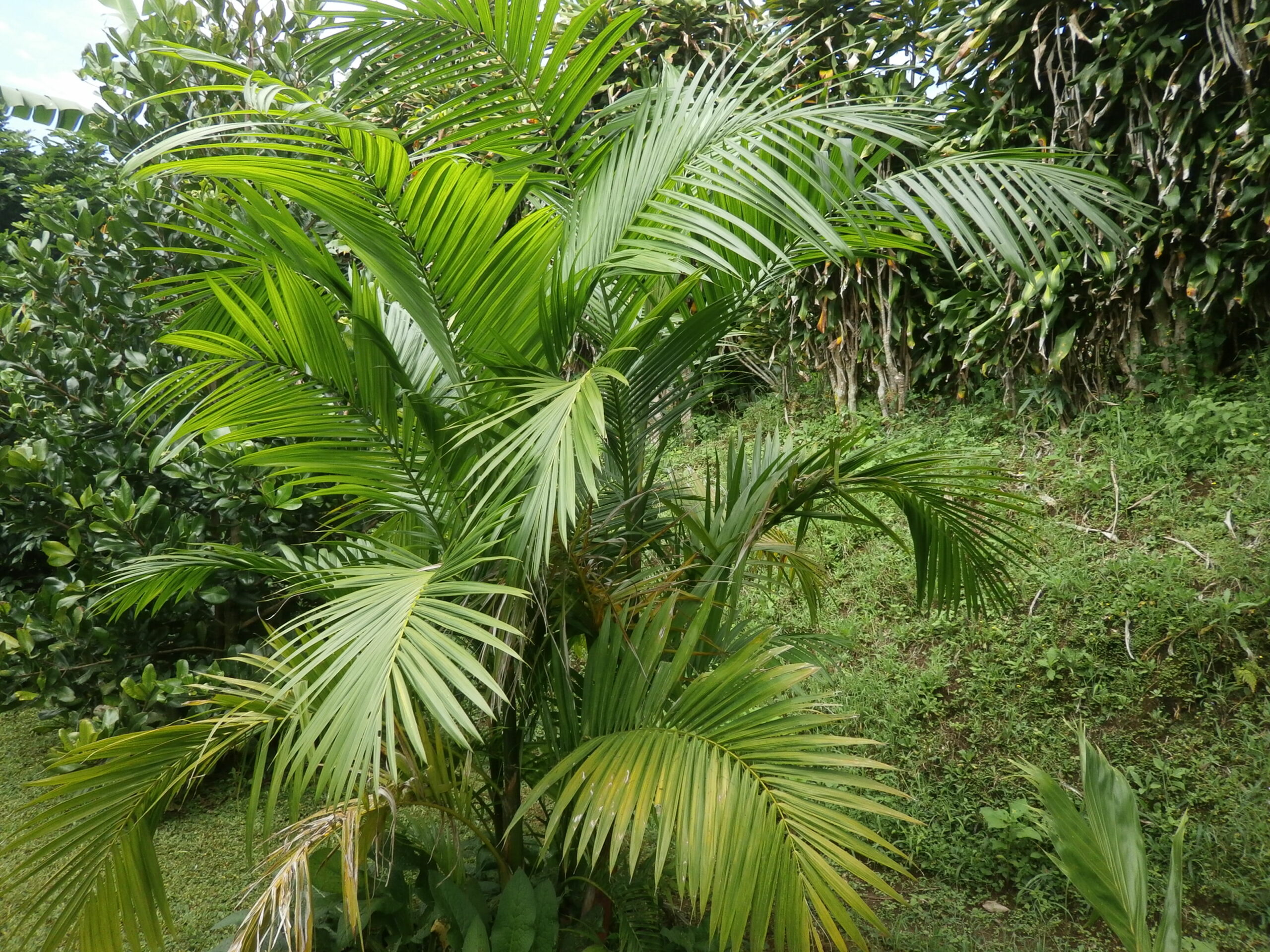
Palm, Acai
Fruit orchard ₡6,300.00 Read more
Palm, Acai
₡6,300.00
SKU: 1520 Category: Fruit orchardScientific name: Euterpe oleracea
Family: Arecaceae
Origin: S America
Medicinal use: The date palm appreciated for the nutritional properties of its fruit. Its consumption dates from pre-Columbian times and it is a very important food in the Amazonian diet. The fruit of this palm tree is edible and is consumed in the form of drinks, sweets, and ice cream. For every 100 g, the pulp of the fruit contains 8.1 g of protein; 52.2 g of carbohydrates (including 44.2 g of fiber).
Out of stock