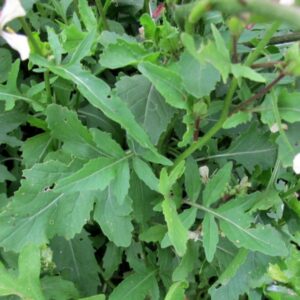
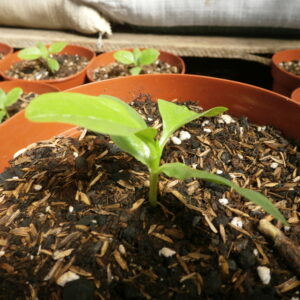
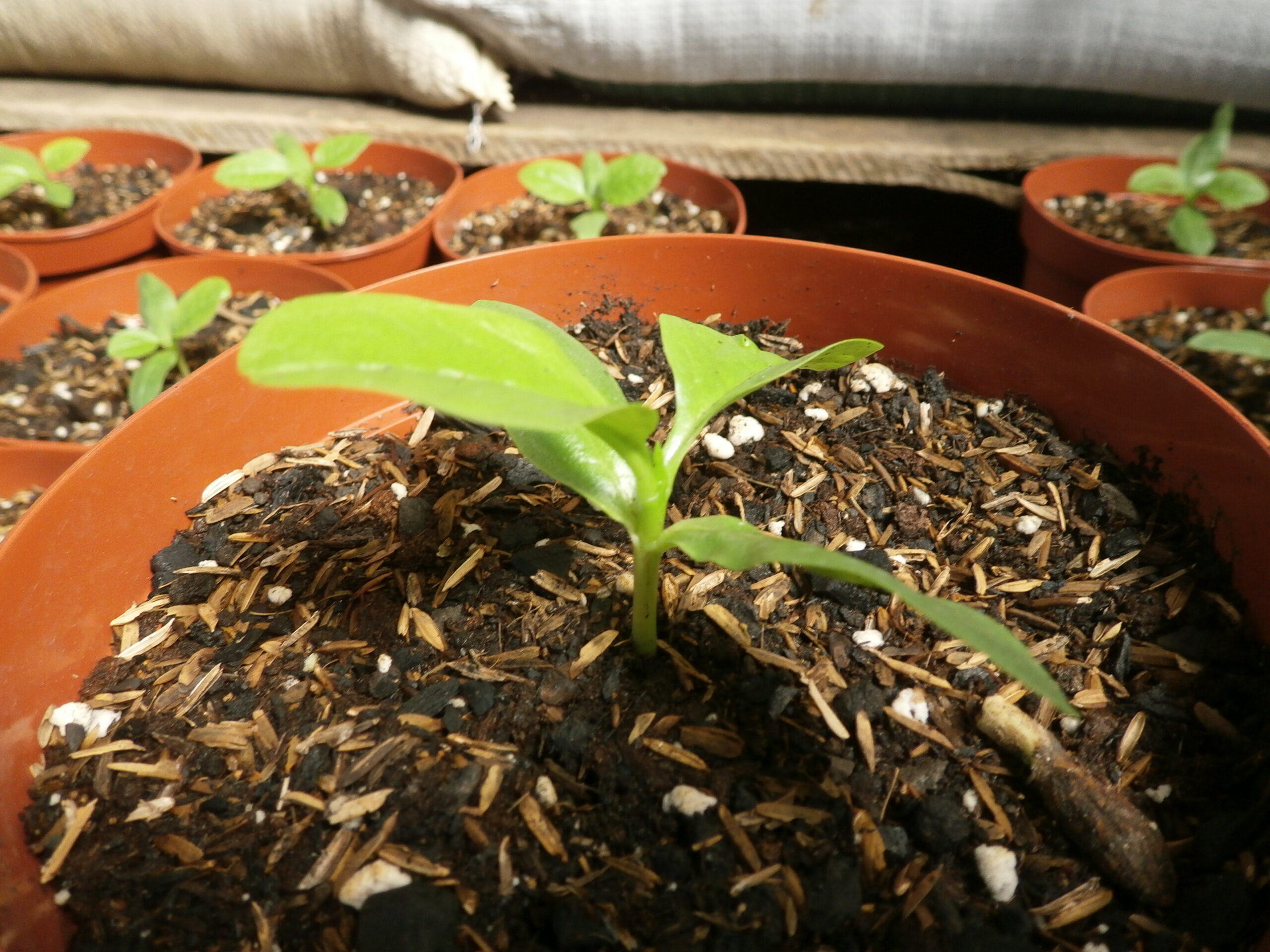
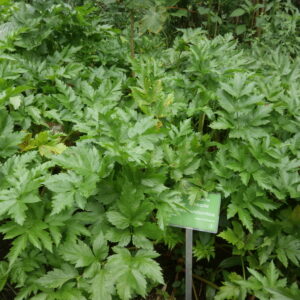
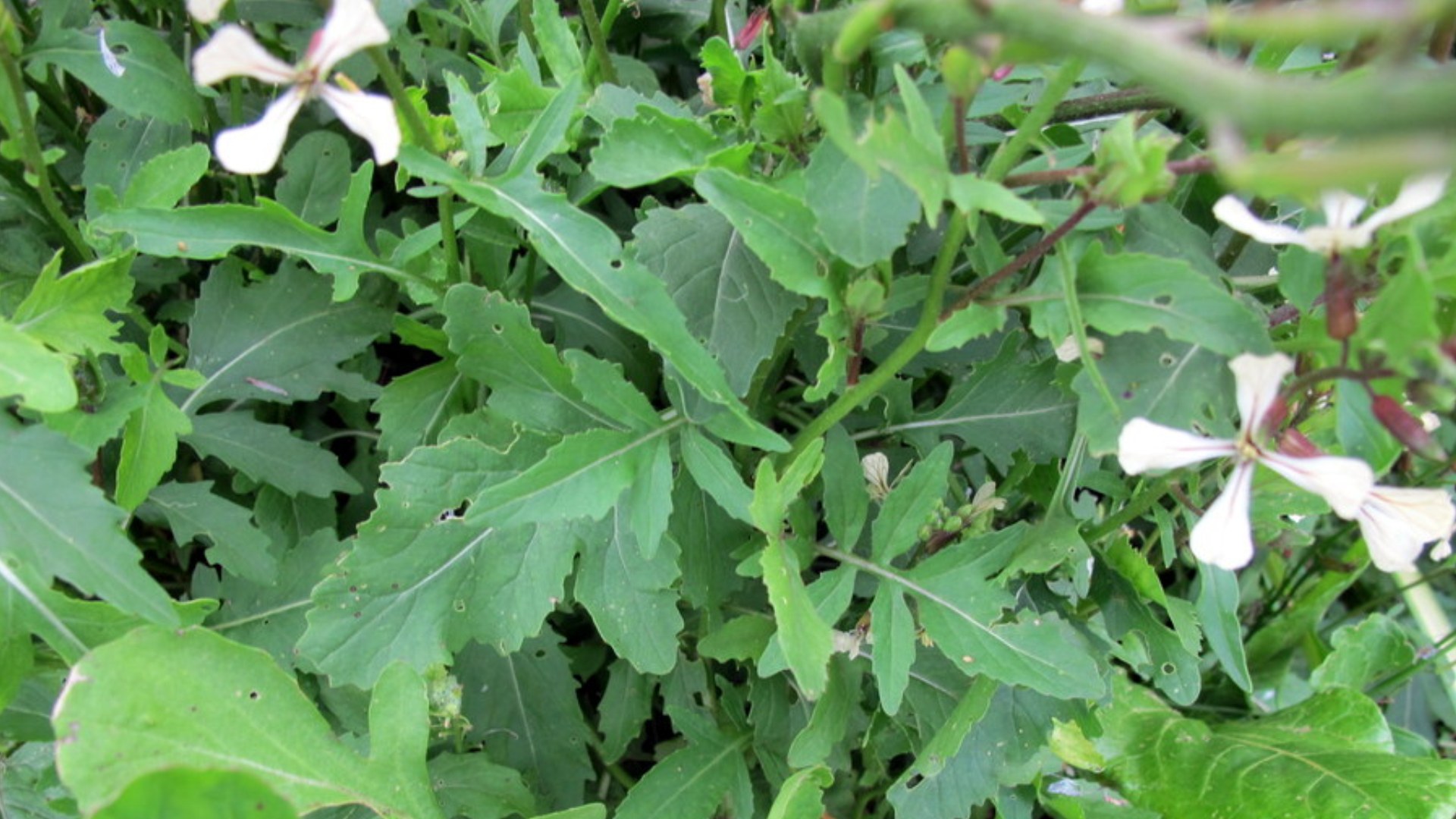
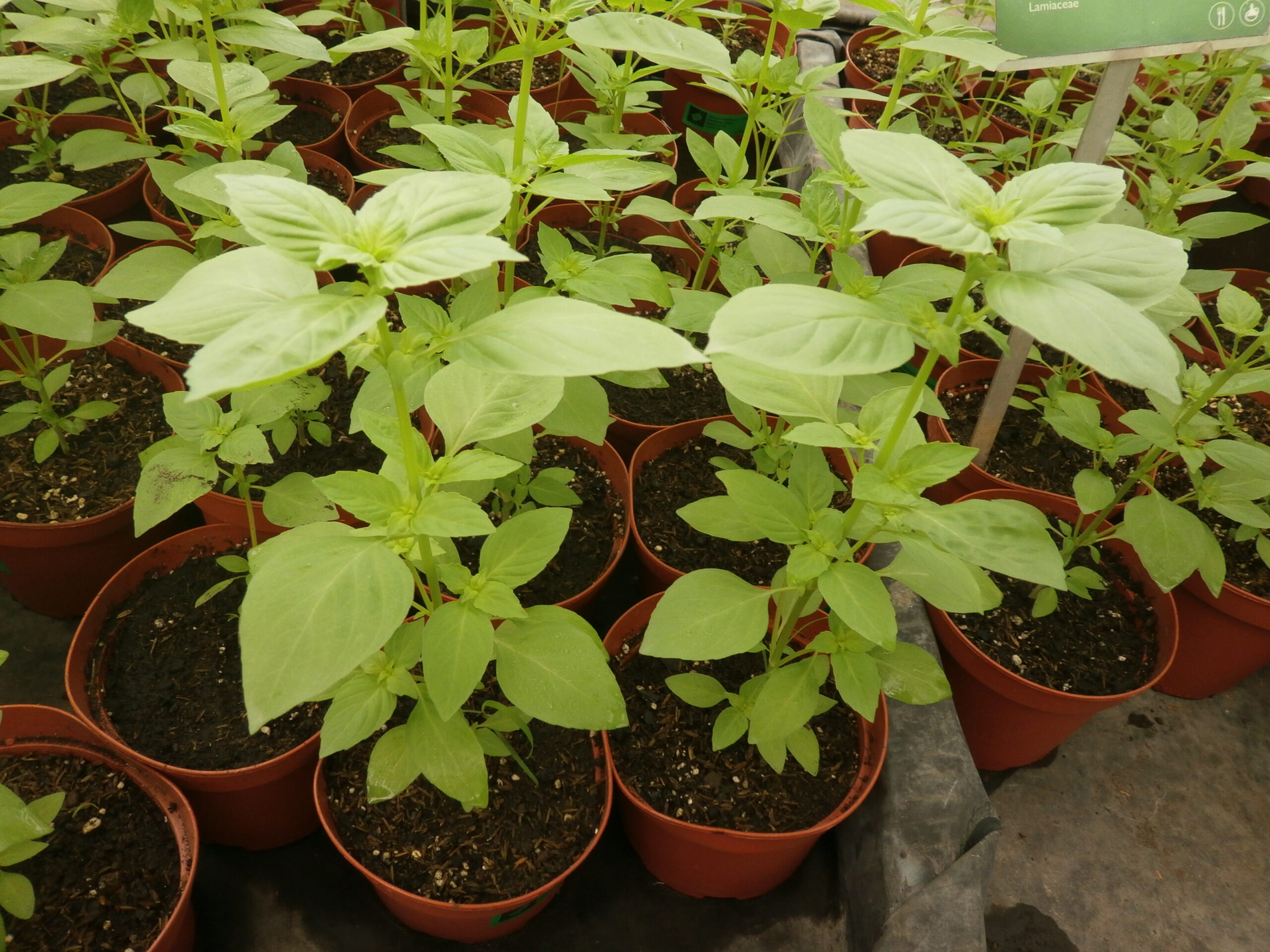
Lemon thyme
₡2,550.00
Scientific name: Thymus citriodorus
Family:
Origin:
Medicinal use:
29 in stock
Related products
-
Apazote
Culinary Garden ₡1,900.00 Add to cart
Apazote
₡1,900.00
SKU: 0160 Category: Culinary GardenScientific name: Dysphania ambrosioides
Family: Amaranthaceae
Origin: S Mexico
Medicinal use:In Mexican gastronomy it is used in many dishes, such as corn and esquites, black beans, in some seafood soups such as chilpachole de jaiba, within a wide variety of broths, It is commonly believed that it prevents flatulence caused by consumption of beans. To be used in food, its flowers are removed and it is used as a condiment, adding a deep flavor, with bitter nuances and very aromatic, which is why it is used in moderation.
16 in stock
-
Strawberry, Yellow wonder
Culinary Garden ₡1,900.00 Add to cart
Strawberry, Yellow wonder
₡1,900.00
SKU: 0790 Category: Culinary GardenScientific name: Fragaria vesca
Family: Rosaceae
Origin: Europe and W Asia
Medicinal use:These strawberries are eaten fresh, with orange juice or milk or yogurt, sprinkled with sugar or cream. In addition, they are used to decorate a large number of desserts and ice creams. With them, jams, preserves, jellies, smoothies, sorbets, etc. are made.
3 in stock
-
Eggplant
Culinary Garden ₡1,900.00 Add to cart
Eggplant
₡1,900.00
SKU: 0310 Category: Culinary GardenScientific name: Solanum melongena
Family: Solanaceae
Origin: S Asia
Medicinal use: The consumption of eggplant is recommended after a brief cooking and with its skin properly washed previously, since it is in this last part of the eggplant where antioxidants and fiber are found in greater proportions. We can include eggplant in a sauté, a sauce, an omelette, a vegetarian curry or, in a tasty salad. Eggplant is a very low-calorie vegetable because it has more than 90% water.
3 in stock
-
Spinach, Okinawa
Culinary Garden ₡1,900.00 Add to cart
Spinach, Okinawa
₡1,900.00
SKU: 0720 Category: Culinary GardenScientific name: Gynura bicolor
Family: Asteraceae
Origin: S and SE Asia
Medicinal use:In Japan, Gynura bicolor is eaten as local vegetables in Ishikawa, Kumamoto and Okinawa and so on, it is lightly blanched and served with ponzu, as an ingredient in miso or tempura soup, the leaves are sautéed with sesame oil and ginger ( both hot foods). The stems and roots of the plant can also be made into tea by boiling them with water.
35 in stock