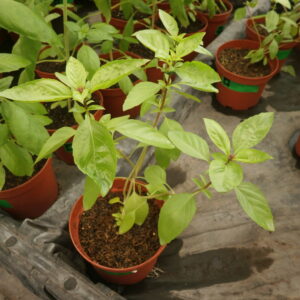
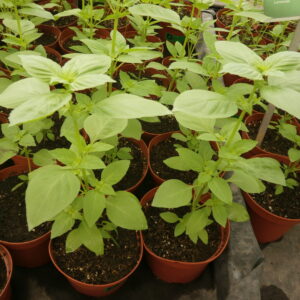
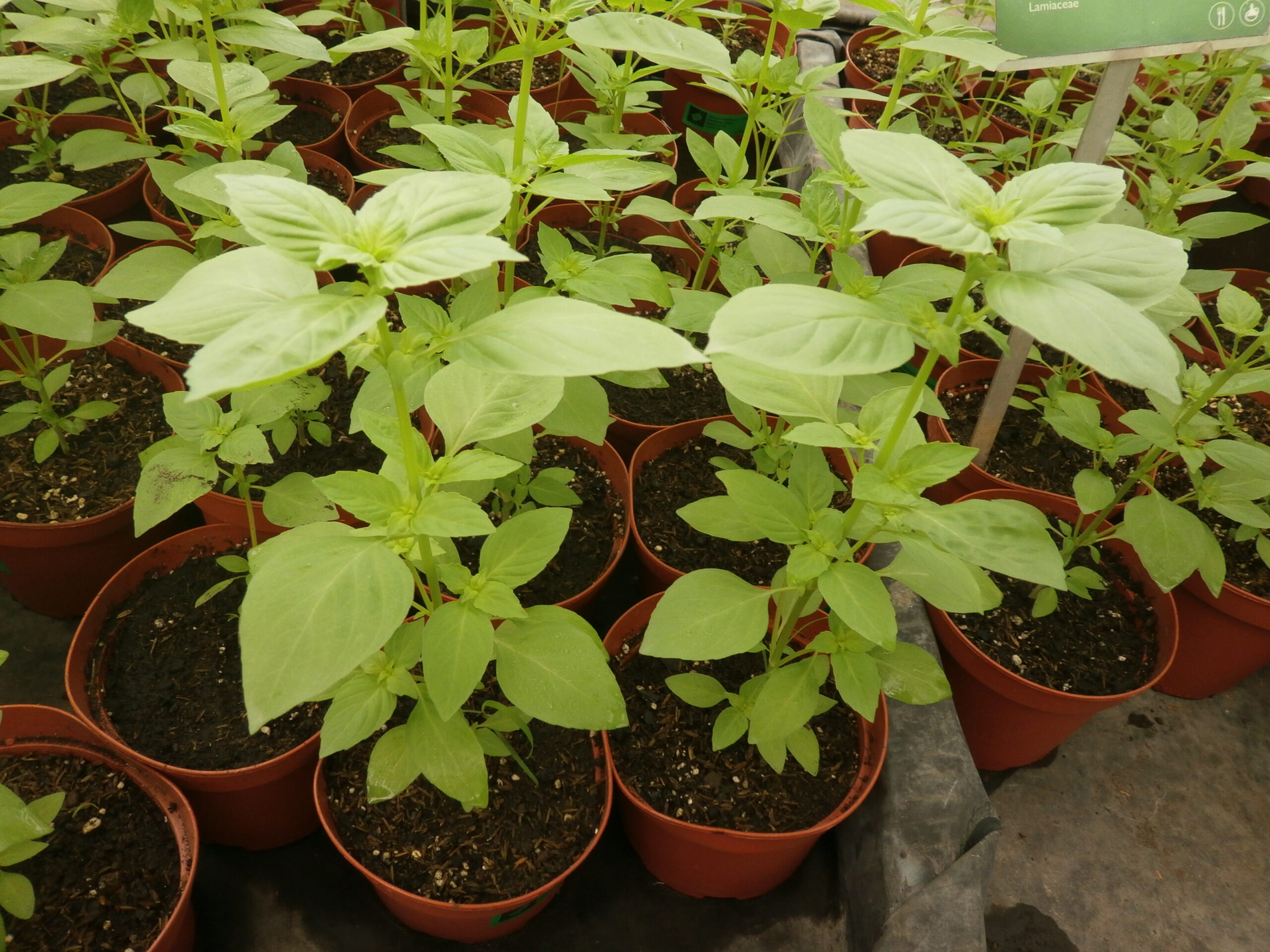
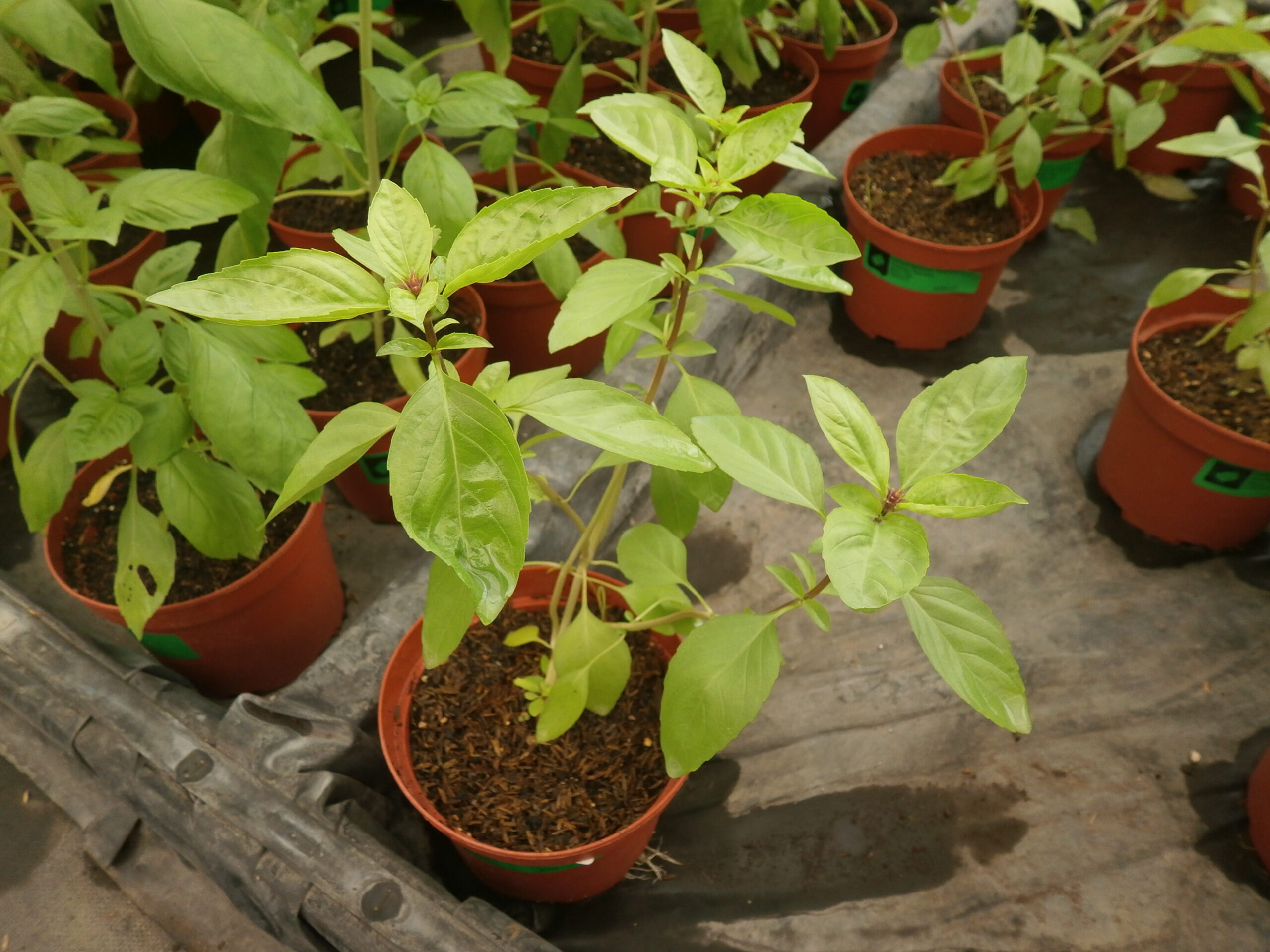
Medicinal use: In Laos, lemon basil is widely used in curries, stews, and fried dishes as it is the most commonly used type of basil in Laos. Many of the stews of Lao cuisine require the use of lemon basil. It is often eaten raw in salads or lalap (raw vegetables) and accompanied by sambal. Lemon basil is often used to flavor certain Indonesian dishes, such as curries, soups, stews, or steamed or grilled dishes.
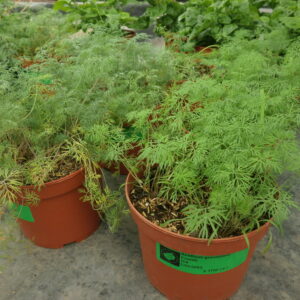
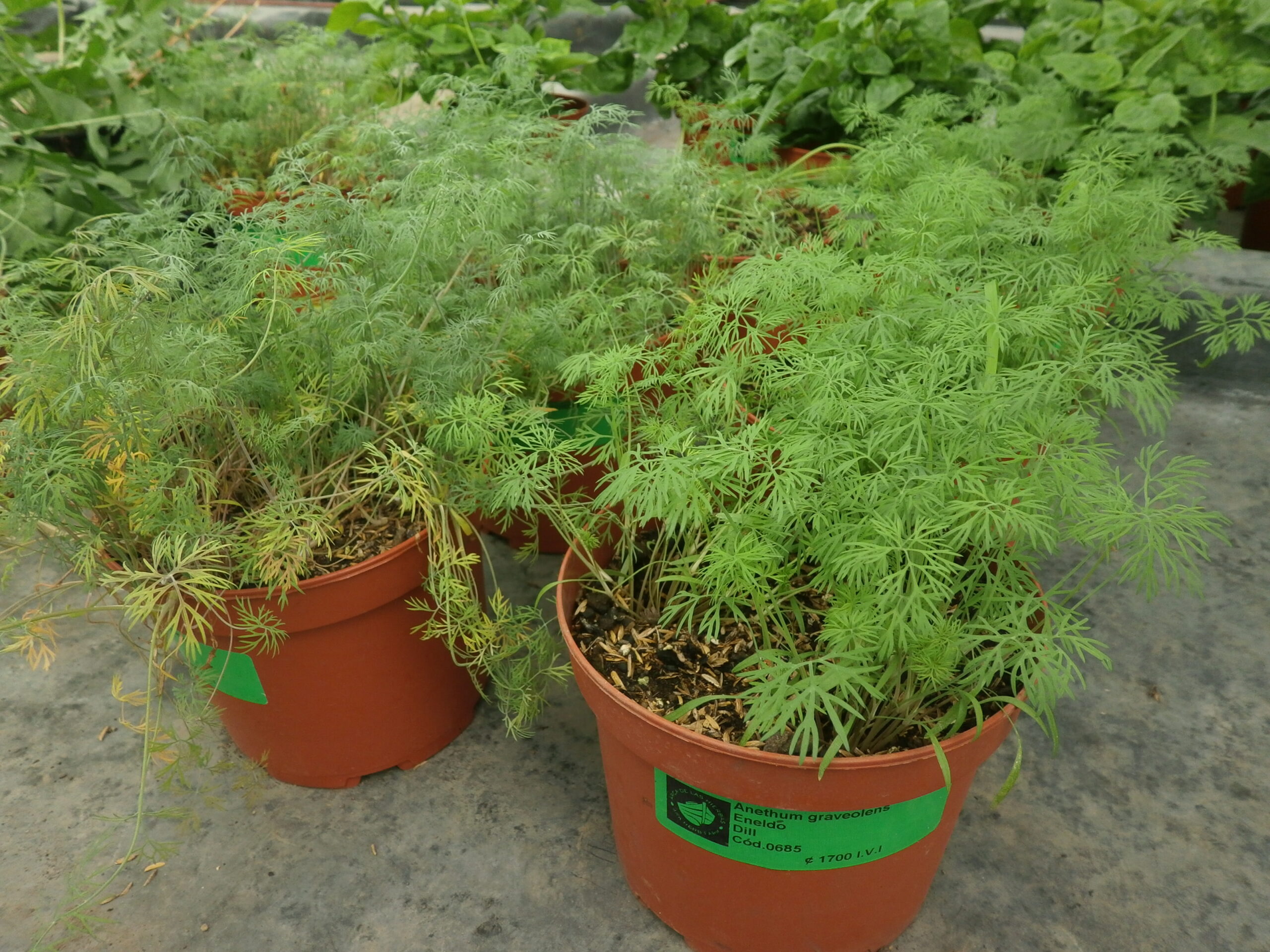
Medicinal use:With fresh dill all kinds of dishes can be flavored, it can be added, in addition to fish, to seafood, meats, rice, salads, vinegars and flavored oils, sauces … it provides its sweet, fresh and aniseed flavor, a unique flavor that no other aromatic plant can provide.
Medicinal use:Its flavor is highly described and argued, the first flavor that we will recognize is that of anise and we will notice hints of licorice, along with a spicy and sweet flavor. Gastronomy: It withstands high temperatures better than any other type of basil, including its simile, sweet basil. It is very typical in the dishes of Laos, Vietnam, Cambodia, and, of course, Thailand.
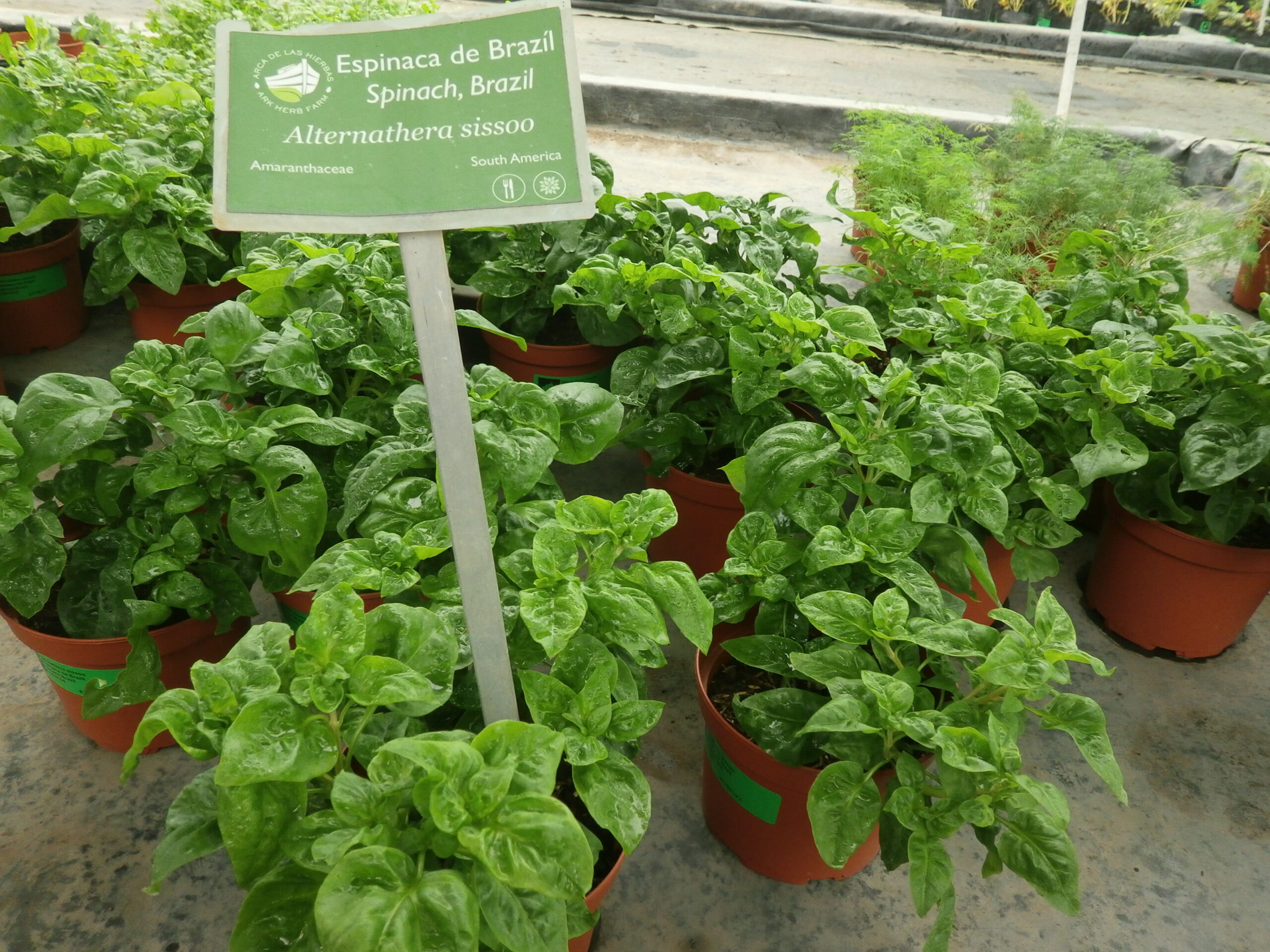
Medicinal use:The leaves are crisp, slightly more so than temperate spinach, and not slimy. Some cultivars are slightly bitter. Reportedly, Brazilians generally eat it raw in salads with oil or vinegar, tomato and onion, although the literature recommends cooking it. Sissoo spinach can be added to quiches, cakes, curries, dals, pasta sauces, lasagna, or added to dishes and stir-fries at the end of the cooking process as a substitute for spinach and to add a nutty flavor.