Origin: Mediterranean, China and Arabian Peninsula
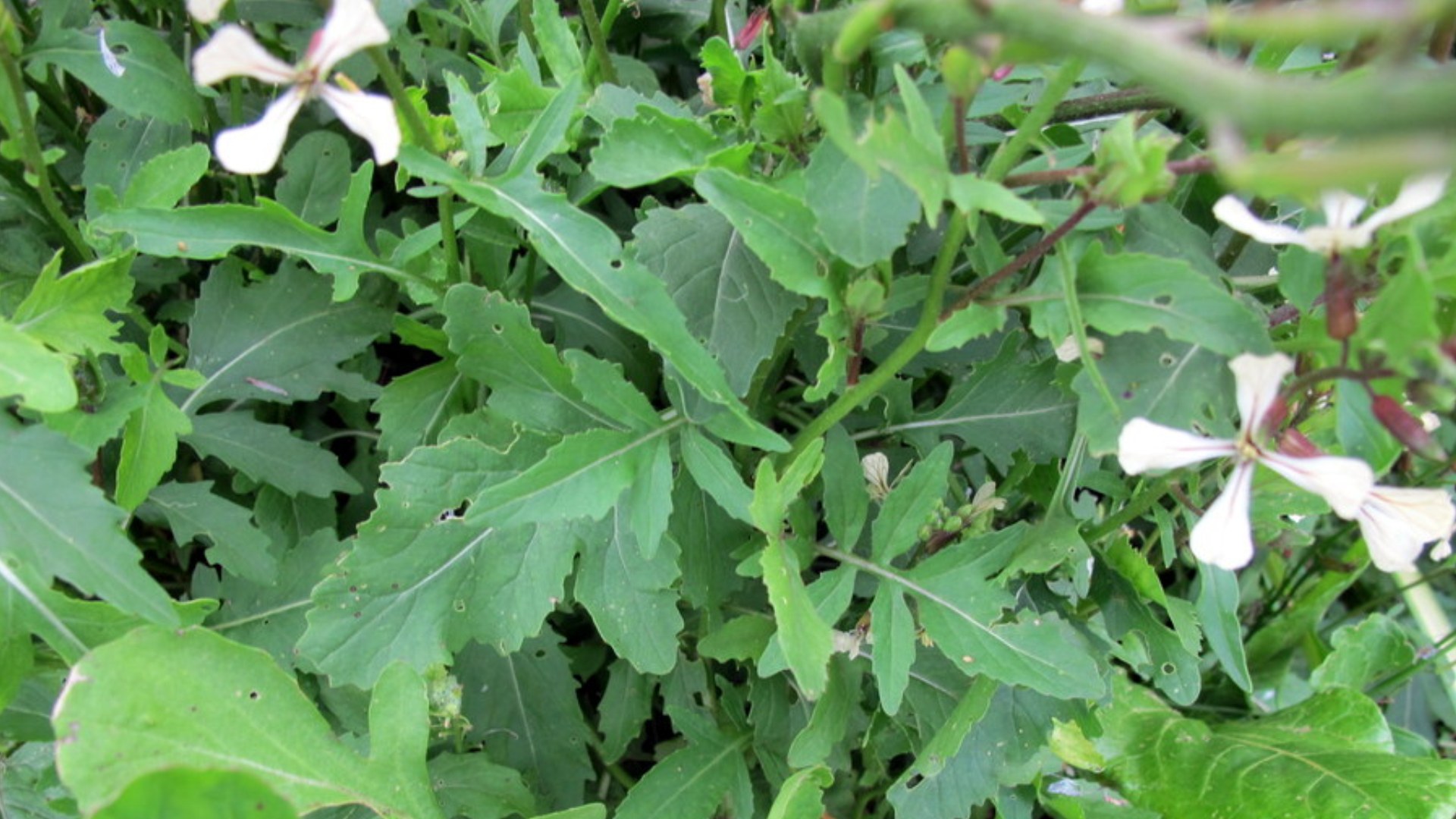
Medicinal use: It is often added to a pizza at the end of or just after baking. It is also used cooked in Apulia, in southern Italy, to make the pasta dish cavatiéddi, “in which large amounts of coarsely chopped rocket are added to pasta seasoned with a homemade reduced tomato sauce and pecorino”,as well as in “many unpretentious recipes in which it is added, chopped, to sauces and cooked dishes” or in a sauce (made by frying it in olive oil and garlic) used as a condiment for cold meats and fish.
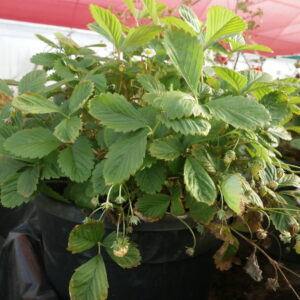
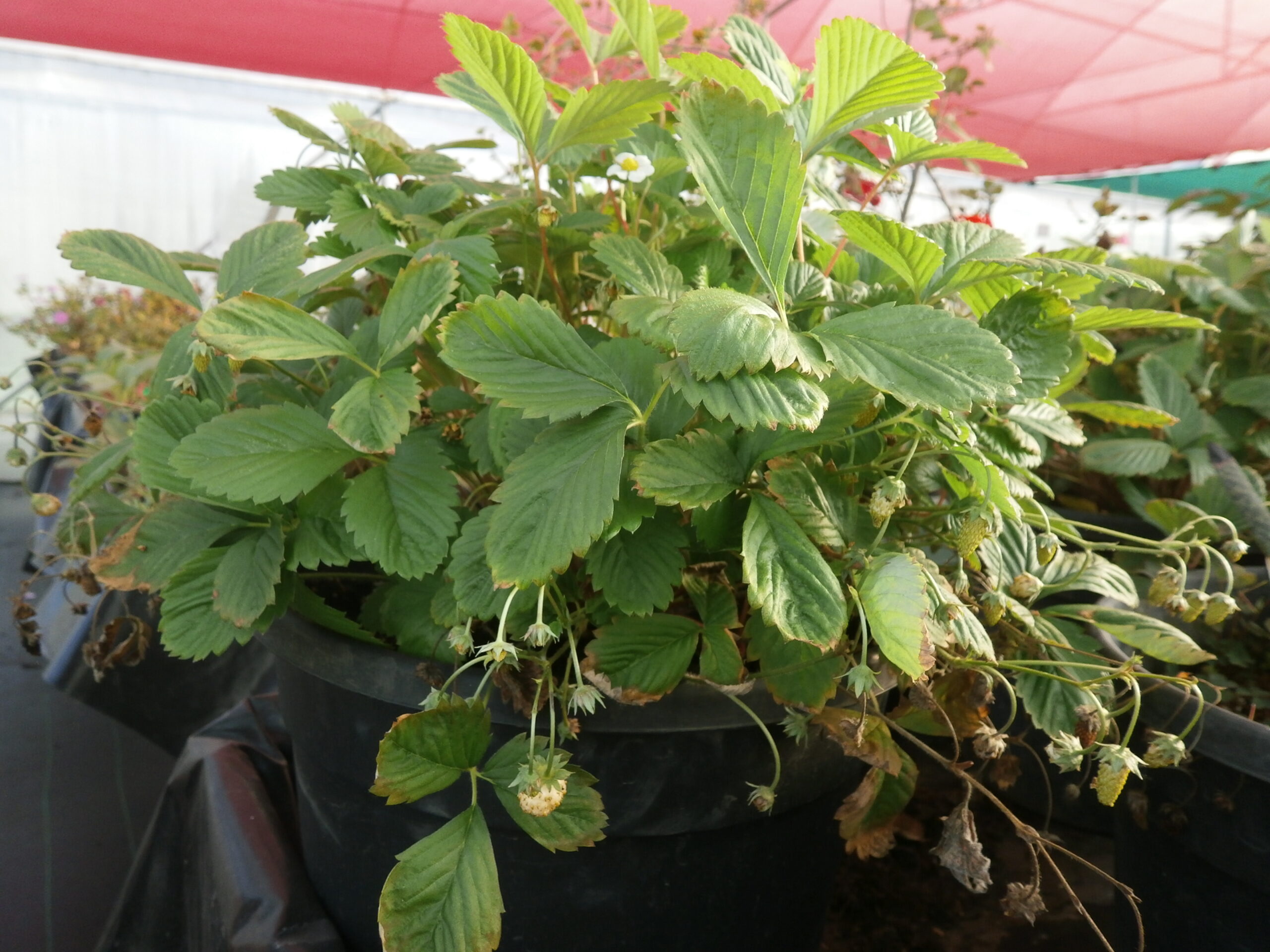
Medicinal use:These strawberries are eaten fresh, with orange juice or milk or yogurt, sprinkled with sugar or cream. In addition, they are used to decorate a large number of desserts and ice creams. With them, jams, preserves, jellies, smoothies, sorbets, etc. are made.
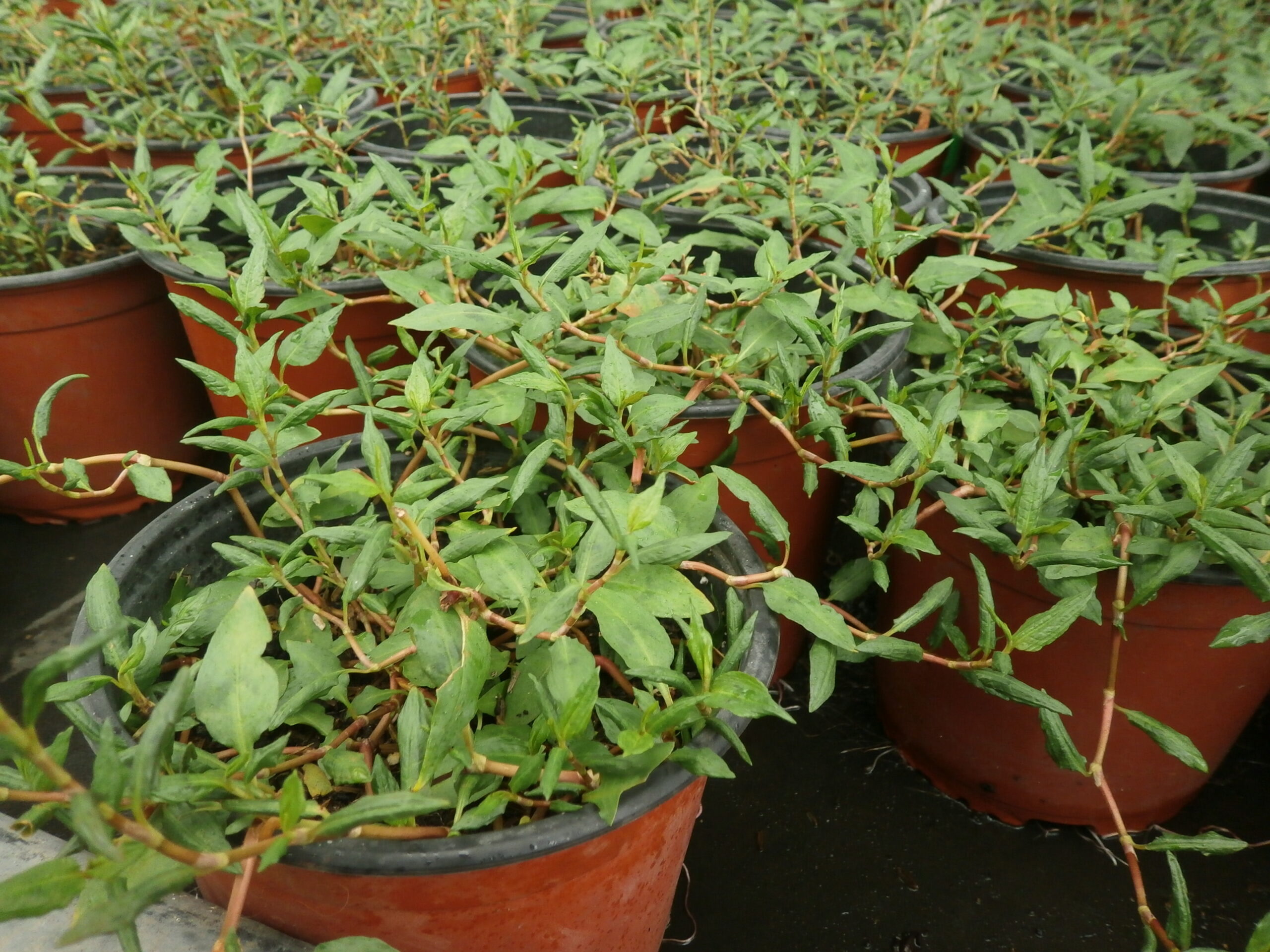
Medicinal use:The leaf is closely identified with the gastronomy of Vietnam, where it is eaten raw in salad (including chicken salad) and in raw rolls. In Cambodian gastronomy, the leaf is called chi krasang tomhom and is used to prepare soups, stews, salads and Cambodian rolls
Medicinal use: It is a very common ingredient in Thai, Vietnamese and Chinese cuisine, due to its strong flavor similar to anise (Pimpinella anisum); It is used to flavor curries and sauteed vegetables. They are used as a condiment to flavor salads and pasta and pizzas typical of Italian cuisine. They also flavor fish and meat-based roasts, sauces, croquettes, meatballs, and even vegetable patés.