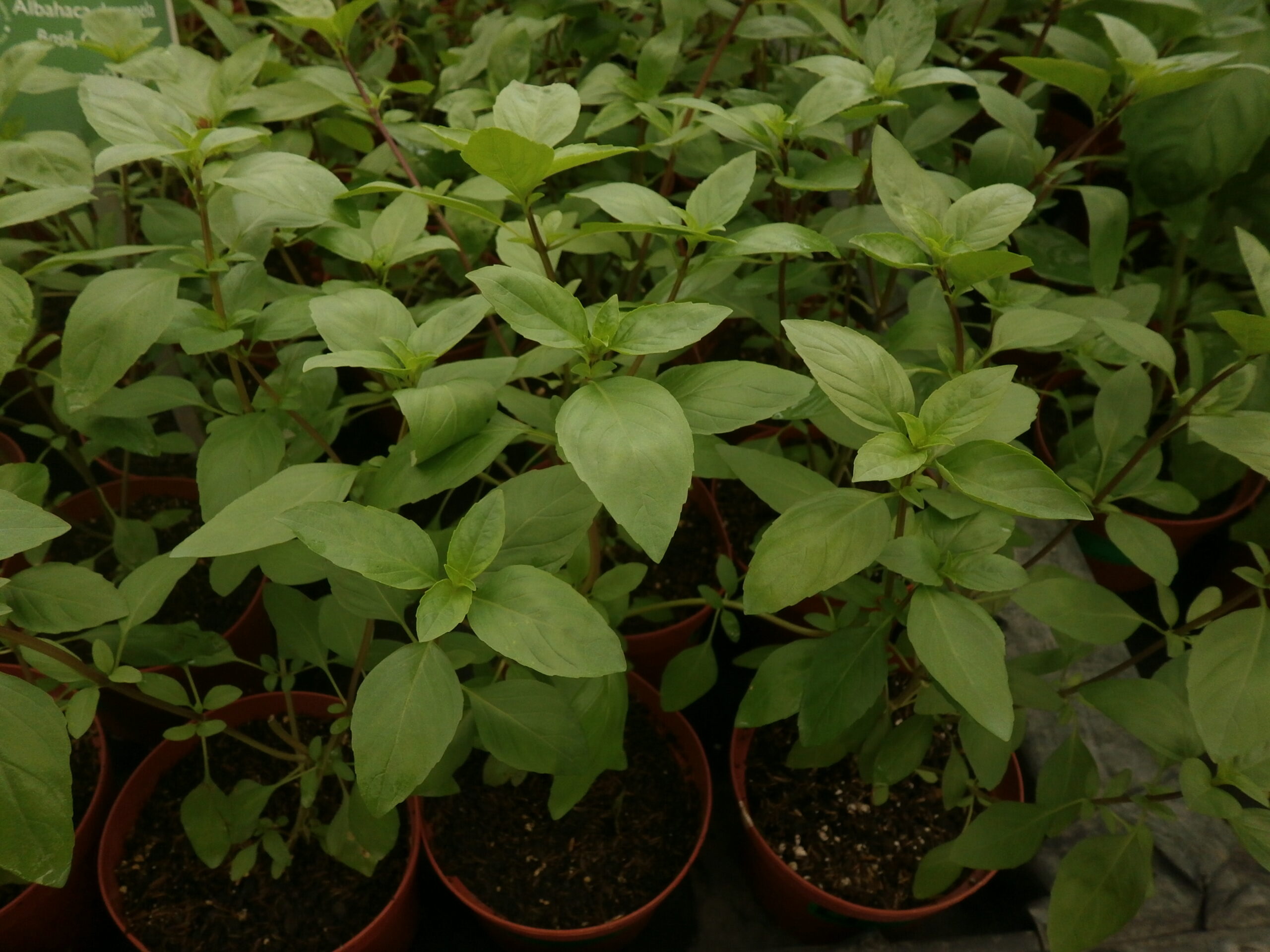
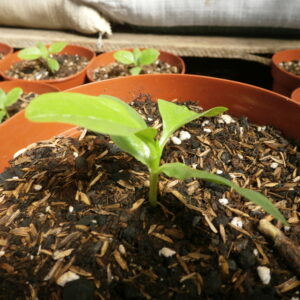
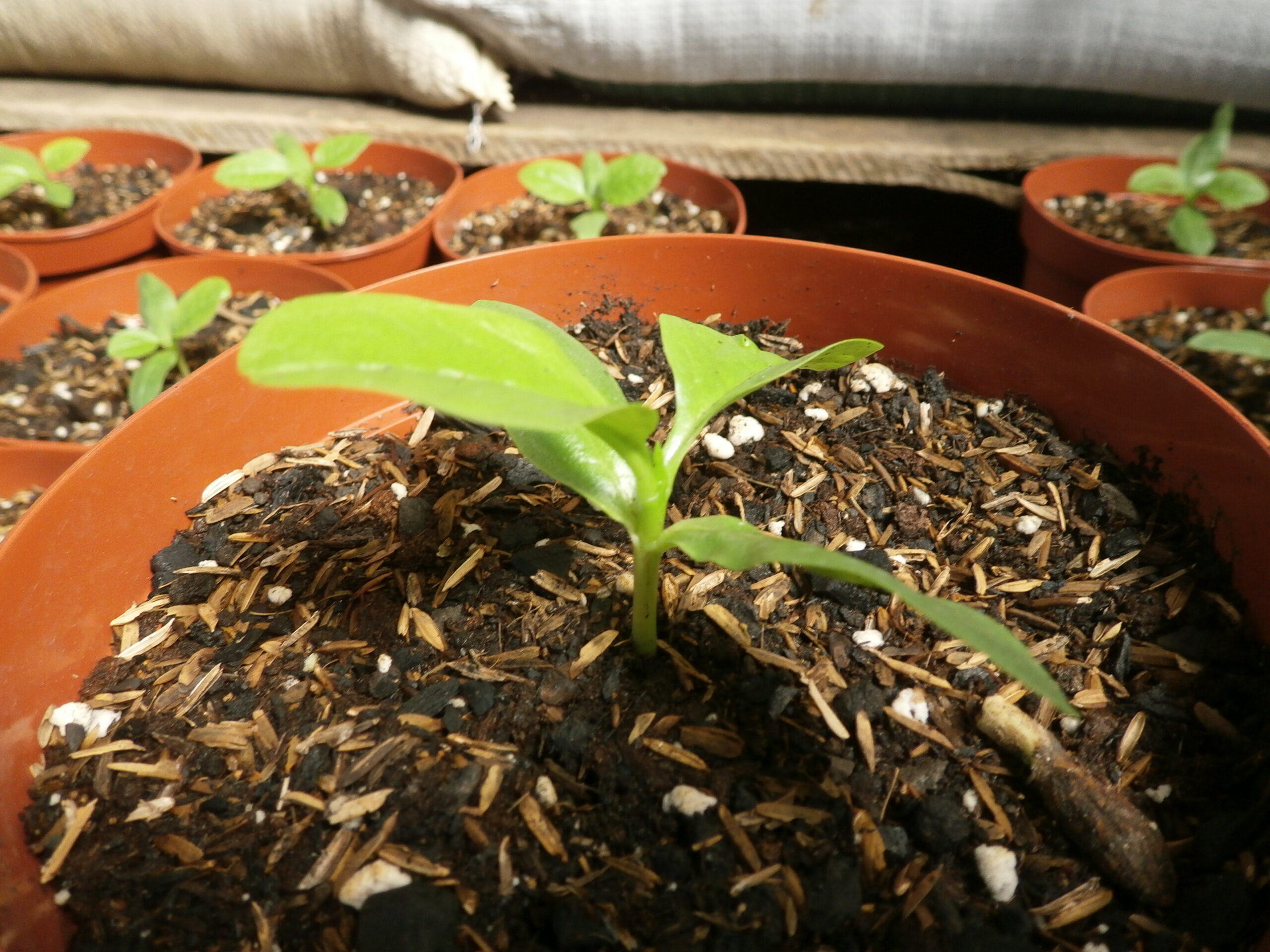
Basil, Greek
₡1,900.00
Out of stock
Related products
-
Spinach, Malabar Red
Culinary Garden ₡1,900.00 Add to cart
Spinach, Malabar Red
₡1,900.00
SKU: 0710 Category: Culinary GardenScientific name: Basella rubra
Family: Basellaceae
Origin: India
Medicinal use:Perennial, ornamental and edible climbing plant. Its leaves are a good source of vitamin A, vitamin C, iron, and calcium. It grows well in abundant light and takes on pink tones in the sun. It does not tolerate cold, its flowers attract bees, it is widely used in gastronomy, being fast growing and easy to care for. It is not very demanding with the light it receives, adapting well to short periods of drought
31 in stock
-
Cilantro, Vietnamese
Culinary Garden ₡1,900.00 Add to cart
Cilantro, Vietnamese
₡1,900.00
SKU: 0655 Category: Culinary GardenScientific name: Persicaria odorata
Family: Polygonaceae
Origin: SE Asia
Medicinal use:The leaf is closely identified with the gastronomy of Vietnam, where it is eaten raw in salad (including chicken salad) and in raw rolls. In Cambodian gastronomy, the leaf is called chi krasang tomhom and is used to prepare soups, stews, salads and Cambodian rolls
23 in stock
-
Out of Stock
Basil, American
Culinary Garden ₡1,900.00 Read more
Basil, American
₡1,900.00
SKU: 0090 Category: Culinary GardenScientific name: Ocimum americanum
Family: Lamiaceae
Origin: Tropical Old world
Medicinal use: It is a very common ingredient in Thai, Vietnamese and Chinese cuisine, due to its strong flavor similar to anise (Pimpinella anisum); It is used to flavor curries and sauteed vegetables. They are used as a condiment to flavor salads and pasta and pizzas typical of Italian cuisine. They also flavor fish and meat-based roasts, sauces, croquettes, meatballs, and even vegetable patés.
Out of stock
-
Arracacha
Culinary Garden ₡1,900.00 Add to cart
Arracacha
₡1,900.00
SKU: 0220 Category: Culinary GardenScientific name: Arracacia xanthorrhiza
Family: Apiaceae
Origin: S America
Medicinal use:The uses of arracacha are very similar to those of potatoes. This tuber is used in South American gastronomy to prepare various dishes, soups, stews, meatballs, cakes, gnocchi, purees and garnishes. The arracacha provides a special flavor and color to the dishes. The young stalks can be consumed in salads. Given its nutritional value, the consumption of arracacha is recommended in the diet of children, the elderly and convalescent.
14 in stock