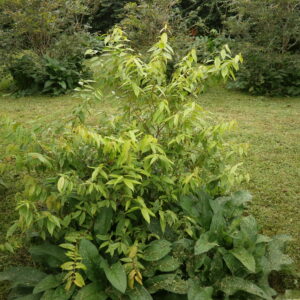
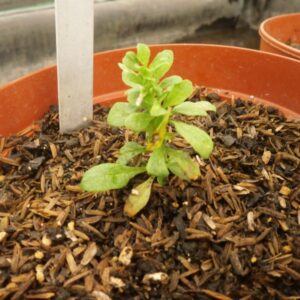
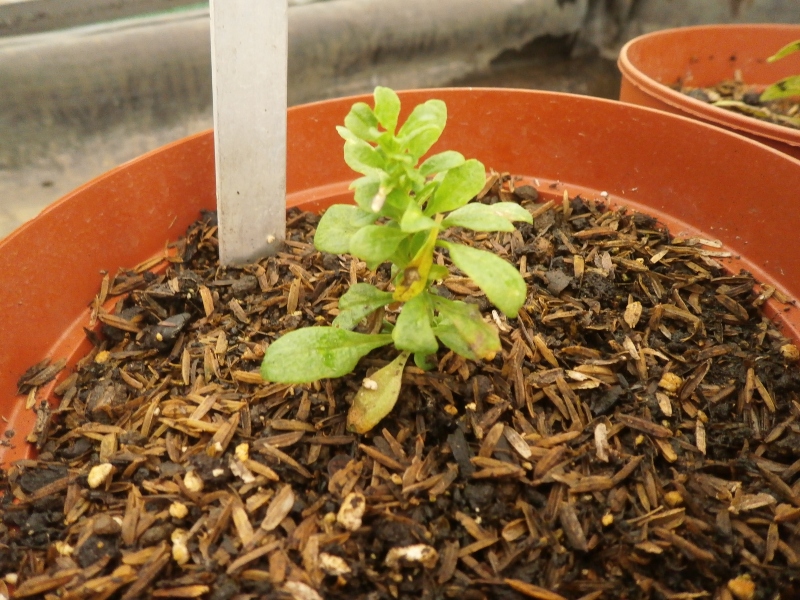
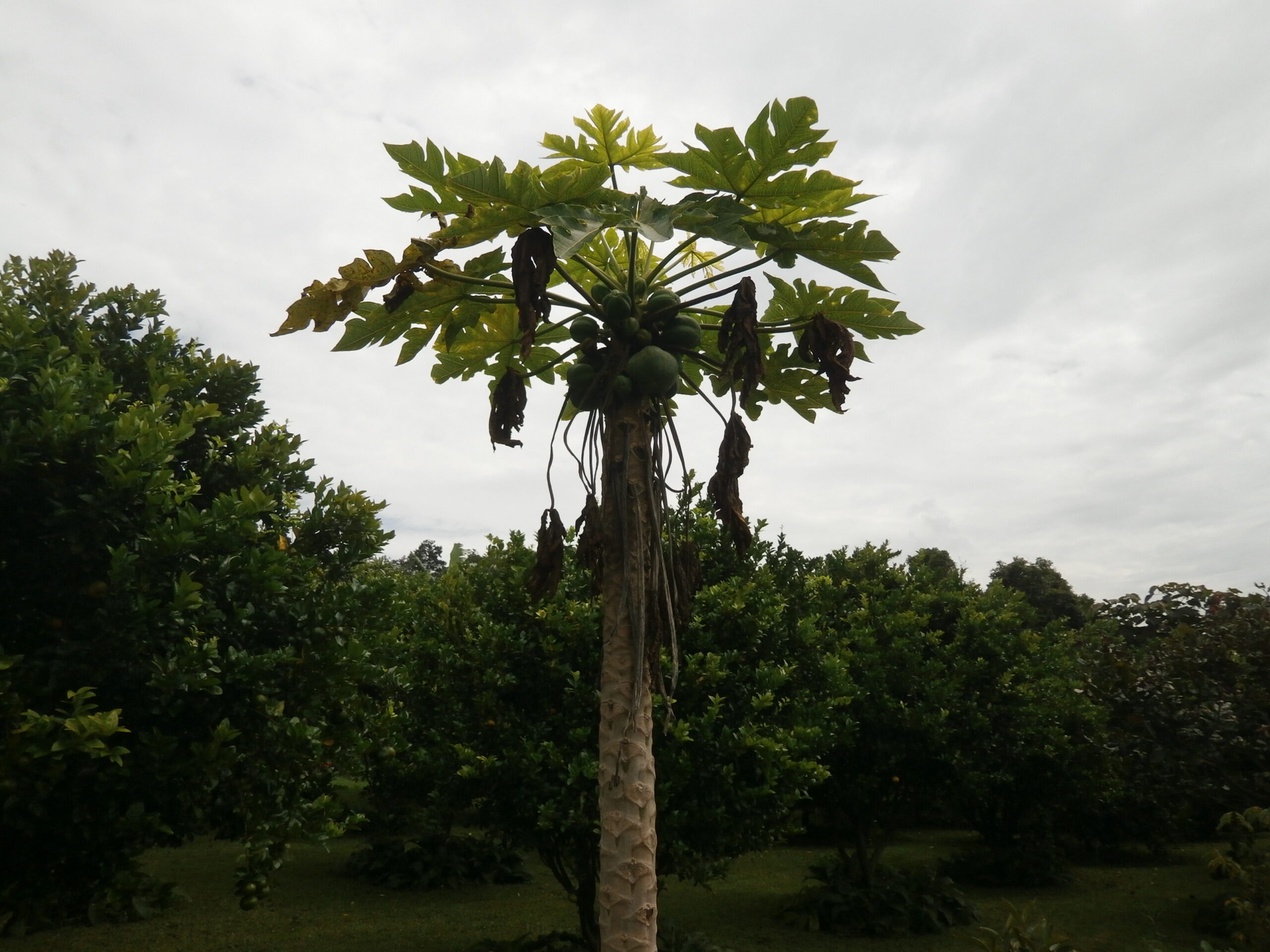
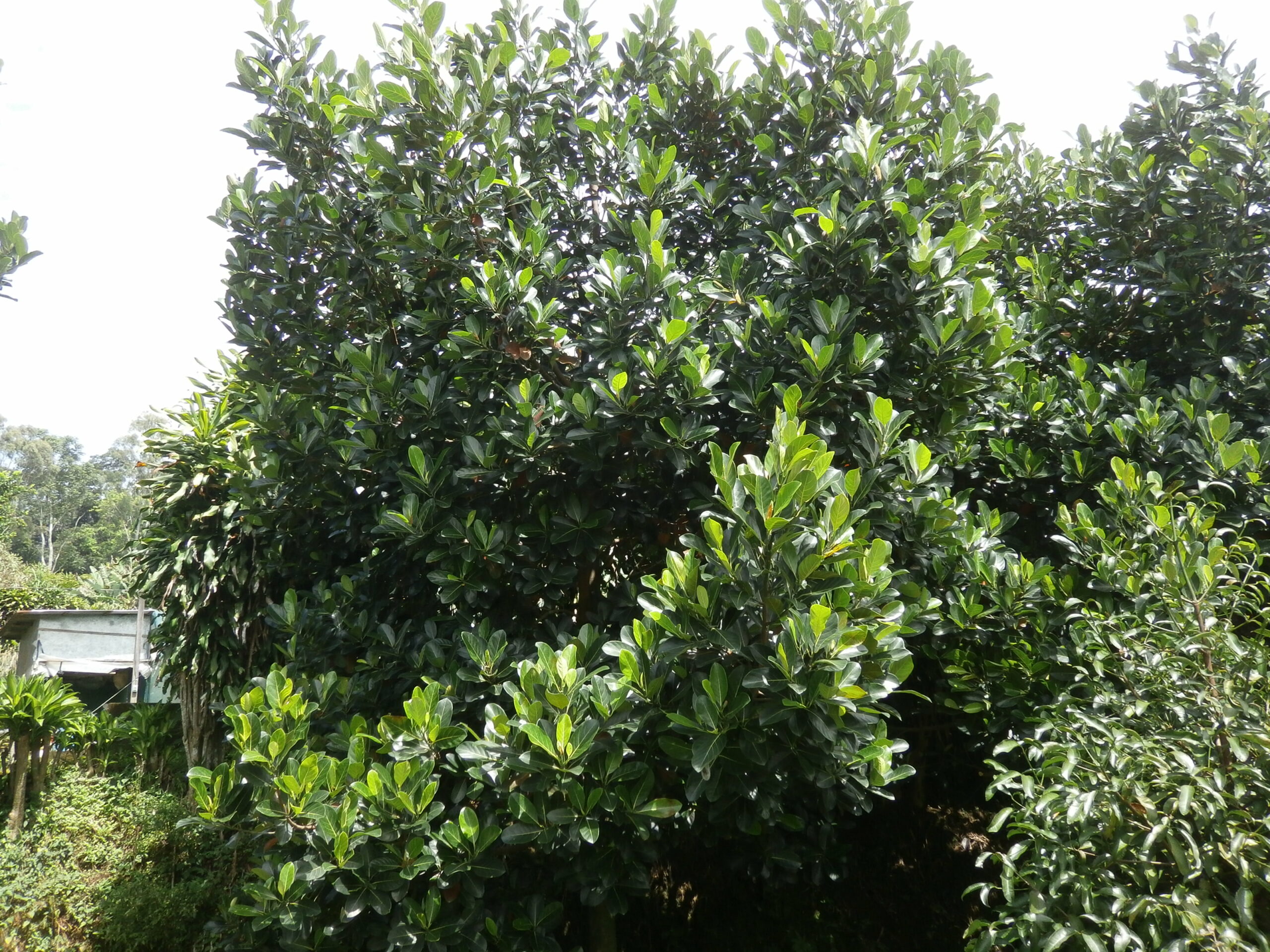
Calamansi
₡2,550.00
Scientific name: Citrofortunella
Family:
Origin:
29 in stock
Related products
-
Chestnut, Malabar
Fruit orchard ₡3,750.00 Add to cart
Chestnut, Malabar
₡3,750.00
SKU: 1435 Category: Fruit orchardScientific name: Pachira insignis
Family: Malvaceae
Origin: Tropical America
Medicinal use: Pachira insignis is an arboreal species of humid tropical soils. In addition to their ornamental use, the leaves, roots, and flowers of malabar nuts are used for medicinal purposes. The chemical constituents in this are alkaloids vasicin, vasicinone, vasicinol, maiontone, and ketone essential oil.
55 in stock
-
Papaya
Fruit orchard ₡2,550.00 Add to cart
Papaya
₡2,550.00
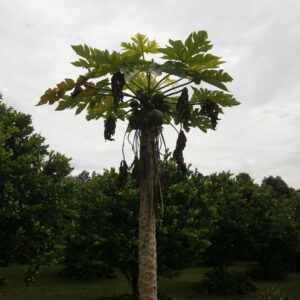
SKU: 1536 Category: Fruit orchardScientific name: Carica papaya
Family: Caricaceae
Origin: Mexico and C America
Medicinal use: Carica papaya is a very rich shrubby fruit of the genus Carica in the family Caricaceae. Its fruit is commonly known as papaya, papayón, olocotón, papayo, mamón, milky or milky. The fruits have a smooth texture and an oblong shape, and can be green, yellow, orange or pink. The fruit is usually consumed raw, without its peel and its seeds. The unripe green papaya fruit can be eaten in salads and stews.
4 in stock

-
Sundrop
Fruit orchard ₡2,550.00 Add to cart
Sundrop
₡2,550.00
SKU: 0175 Category: Fruit orchardScientific name: Eugenia victoriana
Family: Myrtaceae
Origin: S America
Medicinal use: Eugenia victoriana is a small South American fruit tree of the genus Eugenia. Their common names include guayabilla and sundrop. Eugenia victoriana boasts the largest fruit of all known Eugenia species. The trees develop their first flowers in their third or fourth year in the case of the fruits, they are orange in color, and have sour pulp, usually two to four large seeds.
36 in stock
-
Out of Stock
Palm, Acai
Fruit orchard ₡6,300.00 Read more
Palm, Acai
₡6,300.00
SKU: 1520 Category: Fruit orchardScientific name: Euterpe oleracea
Family: Arecaceae
Origin: S America
Medicinal use: The date palm appreciated for the nutritional properties of its fruit. Its consumption dates from pre-Columbian times and it is a very important food in the Amazonian diet. The fruit of this palm tree is edible and is consumed in the form of drinks, sweets, and ice cream. For every 100 g, the pulp of the fruit contains 8.1 g of protein; 52.2 g of carbohydrates (including 44.2 g of fiber).
Out of stock