Related products
-
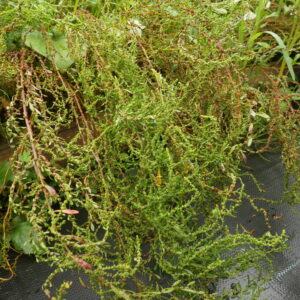
Basil, American
Culinary Garden ₡1,900.00 Add to cart
Basil, American
₡1,900.00
SKU: 0090 Category: Culinary GardenScientific name: Ocimum americanum
Family: Lamiaceae
Origin: Tropical Old world
Medicinal use: It is a very common ingredient in Thai, Vietnamese and Chinese cuisine, due to its strong flavor similar to anise (Pimpinella anisum); It is used to flavor curries and sauteed vegetables. They are used as a condiment to flavor salads and pasta and pizzas typical of Italian cuisine. They also flavor fish and meat-based roasts, sauces, croquettes, meatballs, and even vegetable patés.
2 in stock
-
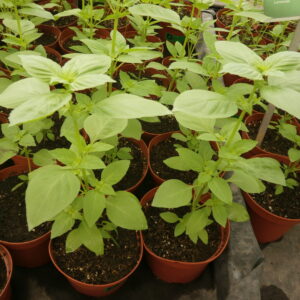
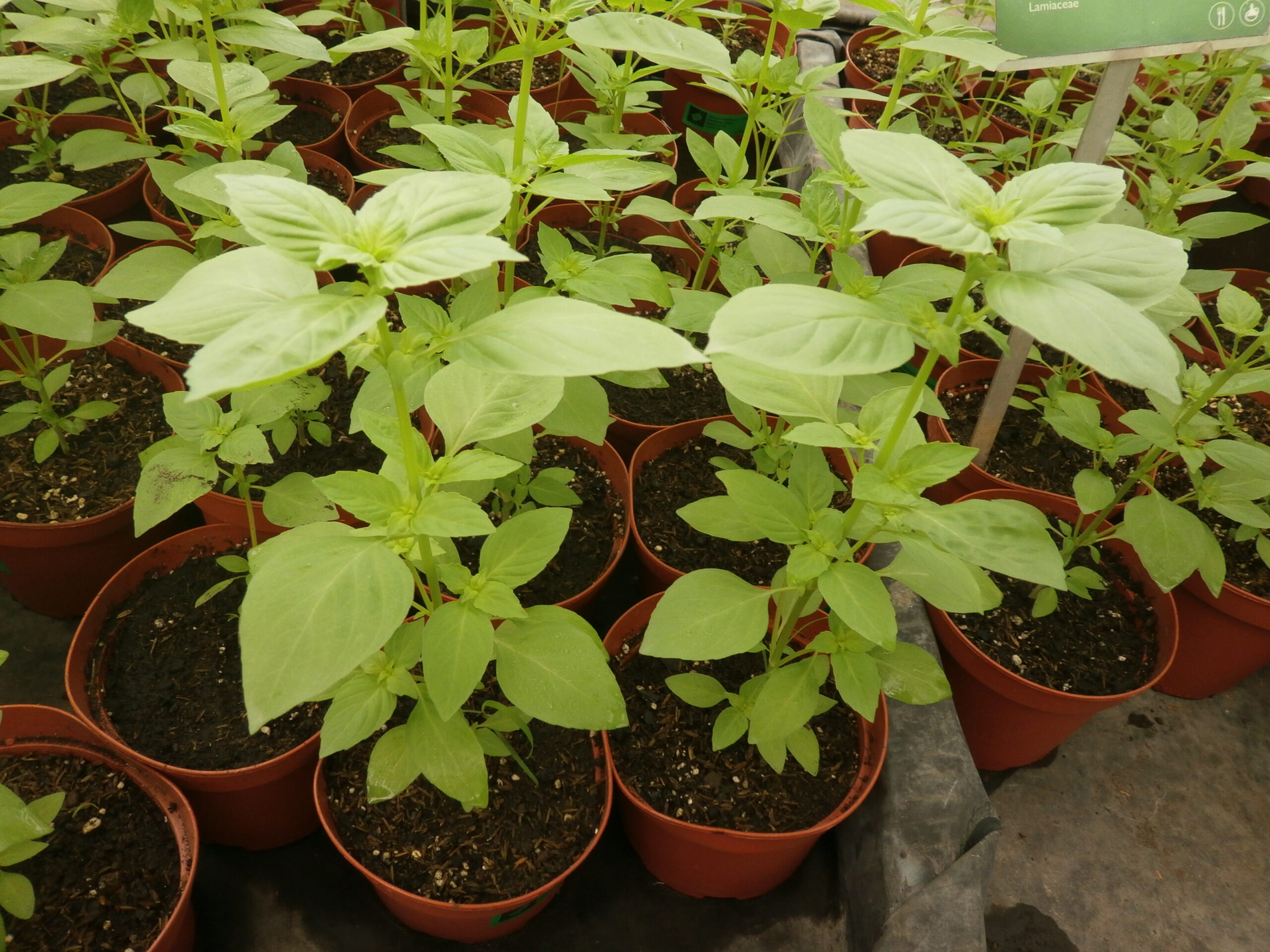
Basil, Thai
Culinary Garden ₡1,900.00 Add to cart
Basil, Thai
₡1,900.00
SKU: 0111 Category: Culinary GardenScientific name: Ocimum basilicum
Family: Lamiaceae
Origin: SE Asia
Medicinal use:Its flavor is highly described and argued, the first flavor that we will recognize is that of anise and we will notice hints of licorice, along with a spicy and sweet flavor. Gastronomy: It withstands high temperatures better than any other type of basil, including its simile, sweet basil. It is very typical in the dishes of Laos, Vietnam, Cambodia, and, of course, Thailand.
39 in stock
-
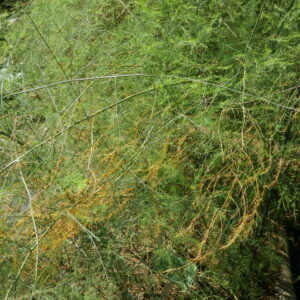
Celery
Culinary Garden ₡1,900.00 Add to cart
Celery
₡1,900.00
SKU: 0165 Category: Culinary GardenScientific name: Apium graveolens
Family: Apiaceae
Origin: Mediterranean
Medicinal use:Celeriac root can be used raw or cooked. Celeriac meat is tough and compact and off-white. Celeriac has a mild flavor and is often used as a flavoring in soups and stews, although it is increasingly being used on its own, usually pureed, or in stews, gratins, and baked dishes. In any case, celery is very positive in the human diet due to its high content of dietary fiber, vitamins and minerals, in addition to being considered a good diuretic due to the high percentage of water.
16 in stock
-
Spinach, Brazil
Culinary Garden ₡1,900.00 Add to cart
Spinach, Brazil
₡1,900.00
SKU: 0705 Category: Culinary GardenScientific name: Alternanthera sissoo
Family: Amaranthaceae
Origin: S America
Medicinal use:The leaves are crisp, slightly more so than temperate spinach, and not slimy. Some cultivars are slightly bitter. Reportedly, Brazilians generally eat it raw in salads with oil or vinegar, tomato and onion, although the literature recommends cooking it. Sissoo spinach can be added to quiches, cakes, curries, dals, pasta sauces, lasagna, or added to dishes and stir-fries at the end of the cooking process as a substitute for spinach and to add a nutty flavor.
61 in stock