Related products
-
Basil, Purple (albahaca morada)
Culinary Garden ₡1,900.00 Add to cart
Basil, Purple (albahaca morada)
₡1,900.00
SKU: 0105 Category: Culinary GardenScientific name: Ocimum basilicum
Family: Lamiaceae
Origin: India and SE Asia
Medicinal use:In addition to its organoleptic properties, it is widely used to color many dishes, not only in Italian cuisine or a different pesto sauce, both fresh and dry we can use this aromatic herb in soups, salads, purees, sauces, vinaigrettes , meat, fish and even desserts.
37 in stock
-
Chives, Garlic
Culinary Garden ₡1,900.00 Add to cart
Chives, Garlic
₡1,900.00
SKU: 0505 Category: Culinary GardenScientific name: Allium tuberosum
Family: Amaryllidaceae
Origin: China, Japan and India
Medicinal use:It is a vegetable related to the onion. It is grown and used as a substitute for garlic and onion in cooking and is known as “Maroi nakupi”. The flavor is more like garlic chives. The chopped flowers and leaves are usually sprinkled in salads, sandwiches and stews in general. It is delicious for making compound butters and cream cheese.
58 in stock
-
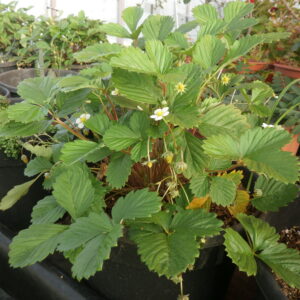
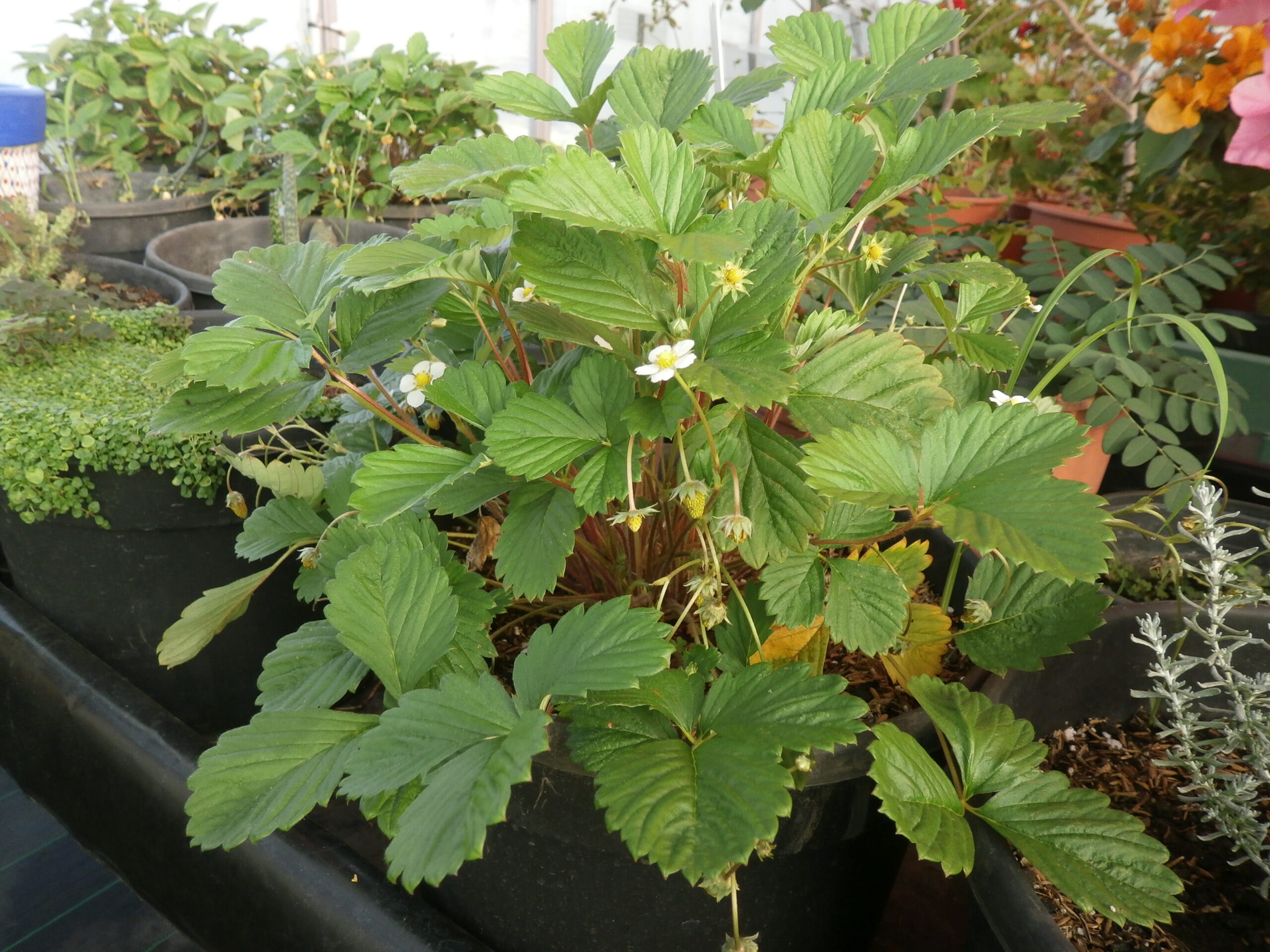
Strawberry, Red
Culinary Garden ₡1,900.00 Add to cart
Strawberry, Red
₡1,900.00
SKU: 0795 Category: Culinary GardenScientific name: Fragaria vesca
Family: Rosaceae
Origin: Europe and W Asia
Medicinal use:Strawberries are used as raw material in many processed products, such as liqueurs, syrups, custards, compotes, mousse, cake fillings, sweets, sauces, ice cream pulp, sorbets, cakes, yogurts, smoothies, jams and preserves. The crushed strawberries are used to make the familiar strawberry shortcake, and the cooked strawberries and strawberry preserves can be used as filling for cakes, muffins and donuts.
12 in stock
-
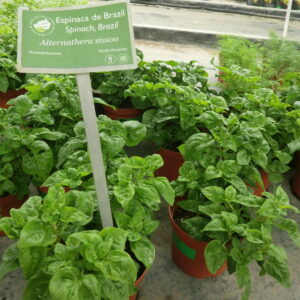
Spinach, Brazil
Culinary Garden ₡1,900.00 Add to cart
Spinach, Brazil
₡1,900.00
SKU: 0705 Category: Culinary GardenScientific name: Alternanthera sissoo
Family: Amaranthaceae
Origin: S America
Medicinal use:The leaves are crisp, slightly more so than temperate spinach, and not slimy. Some cultivars are slightly bitter. Reportedly, Brazilians generally eat it raw in salads with oil or vinegar, tomato and onion, although the literature recommends cooking it. Sissoo spinach can be added to quiches, cakes, curries, dals, pasta sauces, lasagna, or added to dishes and stir-fries at the end of the cooking process as a substitute for spinach and to add a nutty flavor.
5 in stock