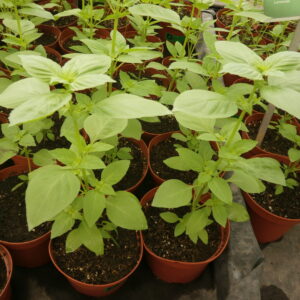
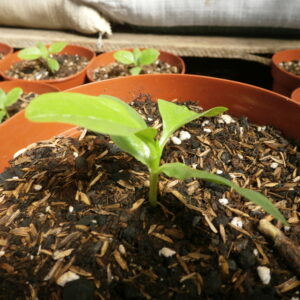
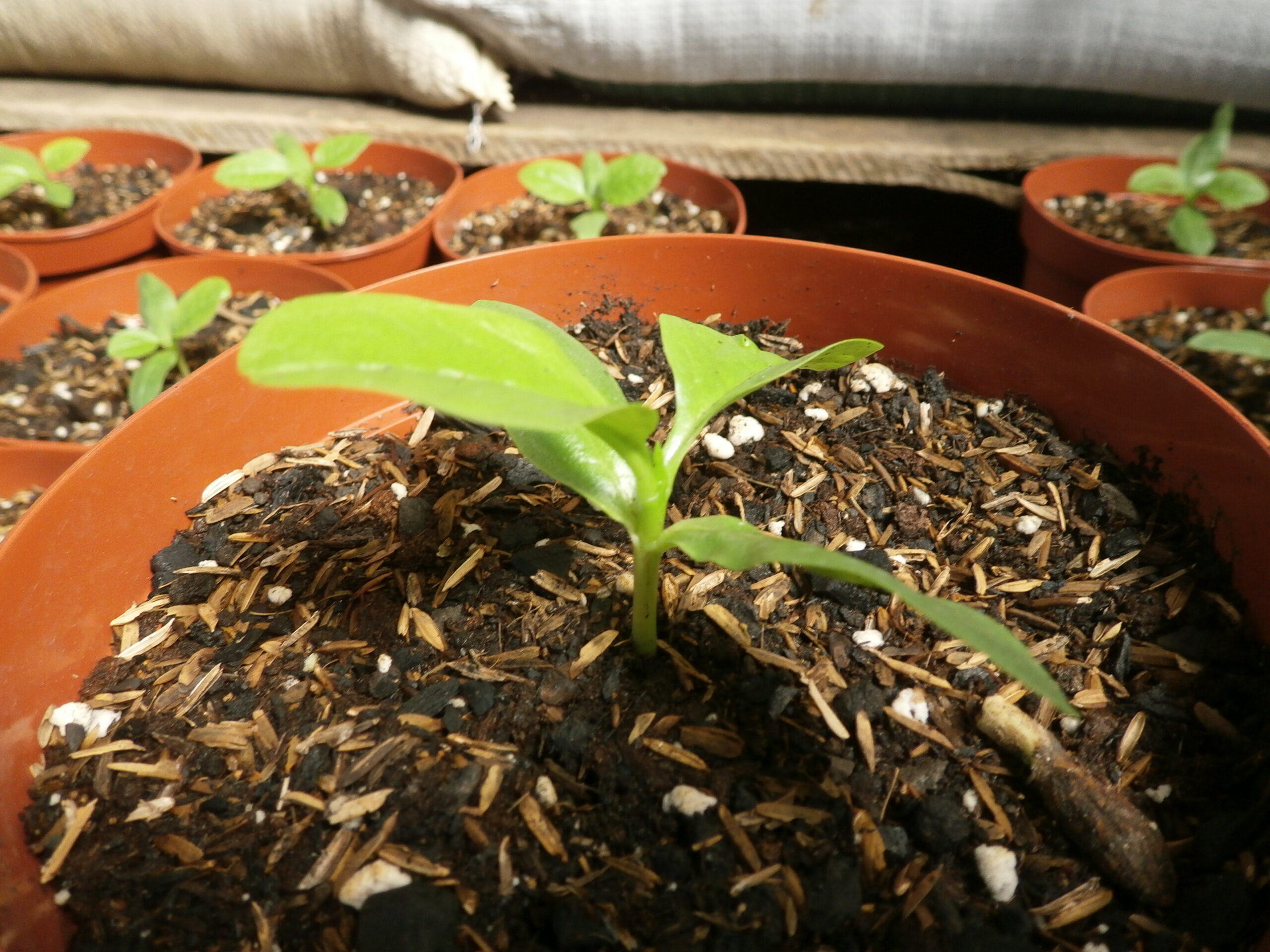
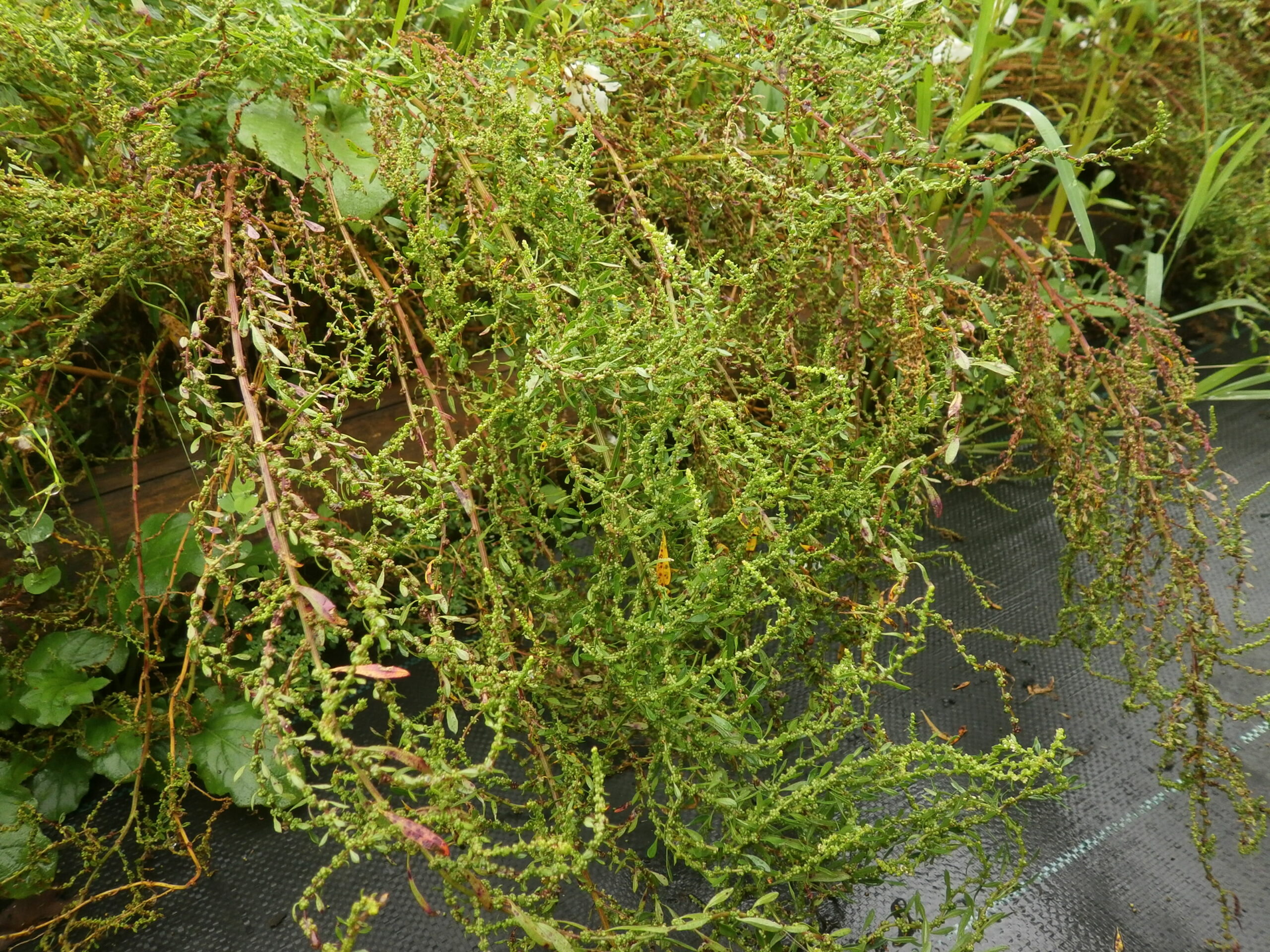
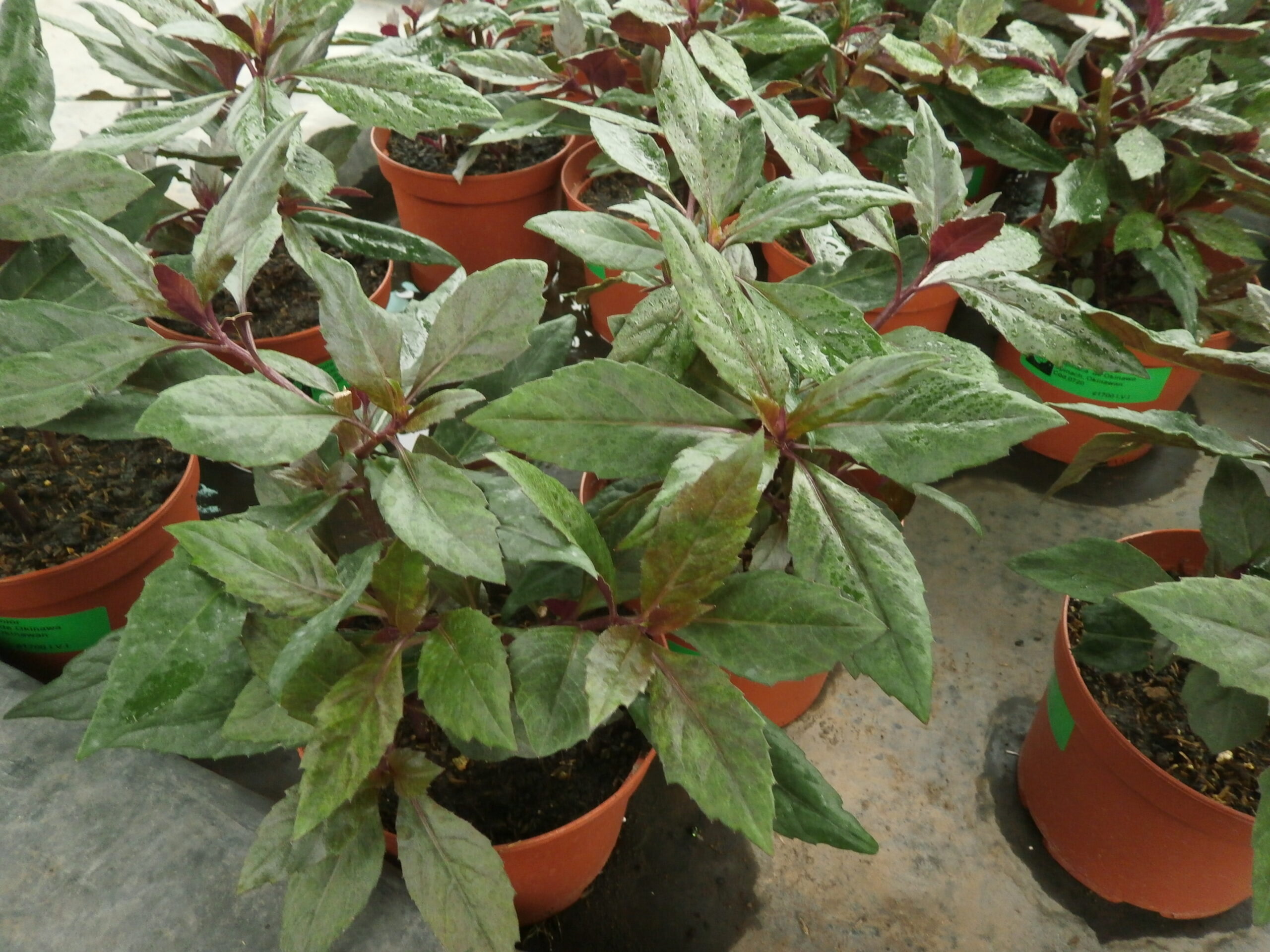
Basil, Tulsi Shyana
₡1,900.00
Out of stock
Related products
-
Grass, Lemon
Chinese, Culinary Garden, Medicinal Garden ₡1,900.00 Add to cart
Grass, Lemon
₡1,900.00
SKU: 2000 Categories: Chinese, Culinary Garden, Medicinal GardenScientific name: Cymbopogon citratus
Family: Poaceae
Origin: SE Asia and E India
Medicinal use: It is used in Asian cuisine, especially in Thailand. In, it is one of the most used herbs to prepare tereré, the traditional drink of the country. Lemon tea, also known as lemon grass or zacatillo, is a citrus-scented plant native to India which is rich in antioxidants that help to relieve pain. One of the most important properties of this plant is that it helps lower the cholesterol level due to its antihypercholesterolemic properties.
46 in stock
-
Strawberry, Yellow wonder
Culinary Garden ₡1,900.00 Add to cart
Strawberry, Yellow wonder
₡1,900.00
SKU: 0790 Category: Culinary GardenScientific name: Fragaria vesca
Family: Rosaceae
Origin: Europe and W Asia
Medicinal use:These strawberries are eaten fresh, with orange juice or milk or yogurt, sprinkled with sugar or cream. In addition, they are used to decorate a large number of desserts and ice creams. With them, jams, preserves, jellies, smoothies, sorbets, etc. are made.
8 in stock
-
Spinach, Malabar Green
Culinary Garden ₡1,900.00 Add to cart
Spinach, Malabar Green
₡1,900.00
SKU: 0715 Category: Culinary GardenScientific name: Basella alba
Family: Basellaceae
Origin: India
Medicinal use:It is a perennial vine, popular in several tropical countries for its edible leaf, unrelated to the commonly known terrestrial spinach. Widely used in Asian cuisine, the culinary possibilities of Malabar spinach include its use to thicken soups, fry or stew with garlic and chili peppers, in salads or steamed with tofu and ginger.
50 in stock
-
Spinach, Brazil
Culinary Garden ₡1,900.00 Add to cart
Spinach, Brazil
₡1,900.00
SKU: 0705 Category: Culinary GardenScientific name: Alternanthera sissoo
Family: Amaranthaceae
Origin: S America
Medicinal use:The leaves are crisp, slightly more so than temperate spinach, and not slimy. Some cultivars are slightly bitter. Reportedly, Brazilians generally eat it raw in salads with oil or vinegar, tomato and onion, although the literature recommends cooking it. Sissoo spinach can be added to quiches, cakes, curries, dals, pasta sauces, lasagna, or added to dishes and stir-fries at the end of the cooking process as a substitute for spinach and to add a nutty flavor.
41 in stock