Related products
-
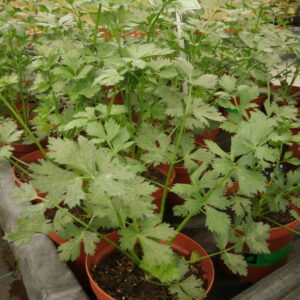
Cilantro, Vietnamese
Culinary Garden ₡1,900.00 Add to cart
Cilantro, Vietnamese
₡1,900.00
SKU: 0655 Category: Culinary GardenScientific name: Persicaria odorata
Family: Polygonaceae
Origin: SE Asia
Medicinal use:The leaf is closely identified with the gastronomy of Vietnam, where it is eaten raw in salad (including chicken salad) and in raw rolls. In Cambodian gastronomy, the leaf is called chi krasang tomhom and is used to prepare soups, stews, salads and Cambodian rolls
49 in stock
-
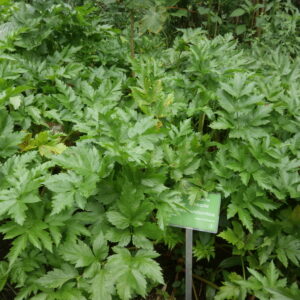
Arracacha
Culinary Garden ₡1,900.00 Add to cart
Arracacha
₡1,900.00
SKU: 0220 Category: Culinary GardenScientific name: Arracacia xanthorrhiza
Family: Apiaceae
Origin: S America
Medicinal use:The uses of arracacha are very similar to those of potatoes. This tuber is used in South American gastronomy to prepare various dishes, soups, stews, meatballs, cakes, gnocchi, purees and garnishes. The arracacha provides a special flavor and color to the dishes. The young stalks can be consumed in salads. Given its nutritional value, the consumption of arracacha is recommended in the diet of children, the elderly and convalescent.
6 in stock
-
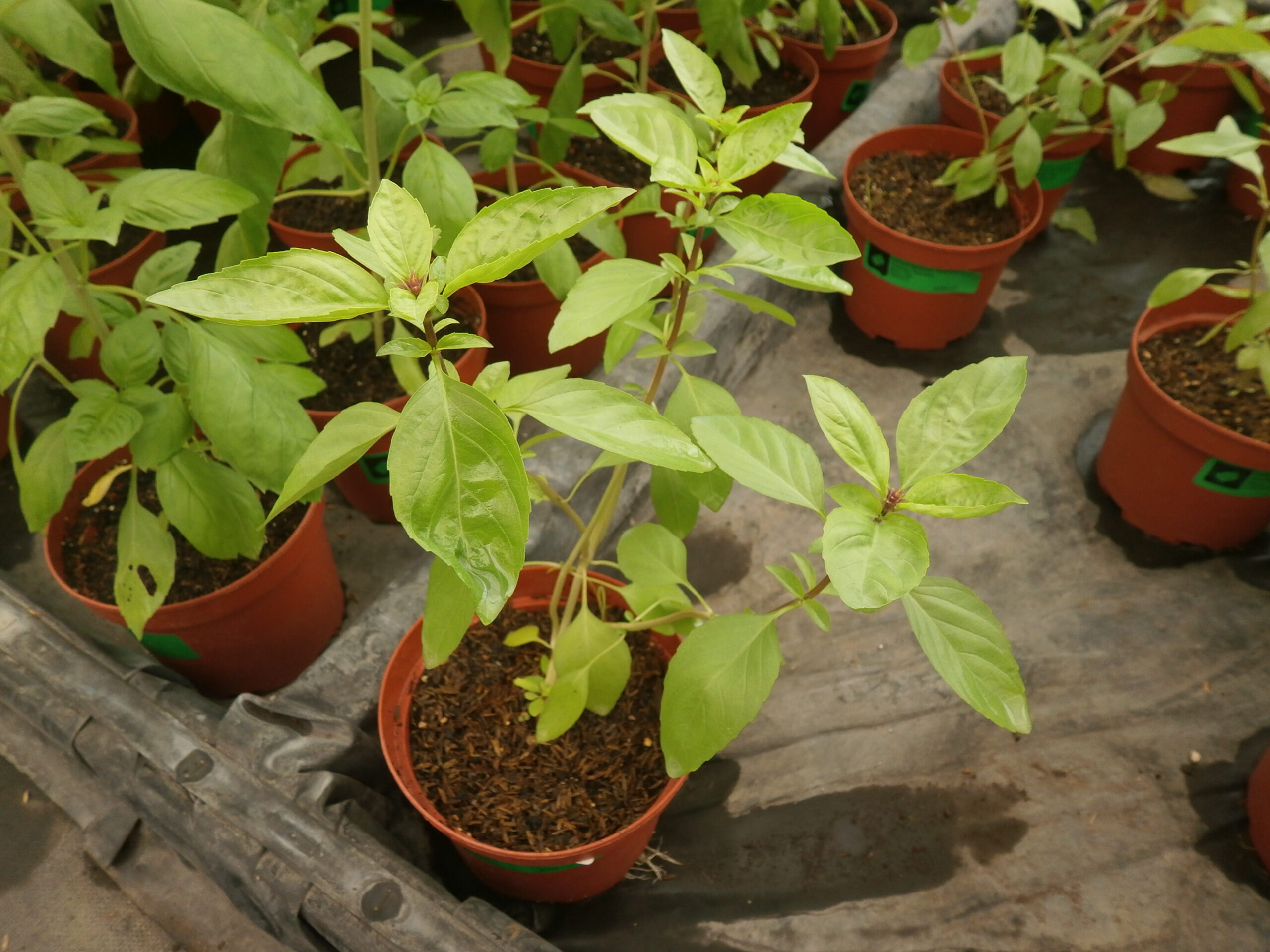
Spinach, Okinawa
Culinary Garden ₡1,900.00 Add to cart
Spinach, Okinawa
₡1,900.00
SKU: 0720 Category: Culinary GardenScientific name: Gynura bicolor
Family: Asteraceae
Origin: S and SE Asia
Medicinal use:In Japan, Gynura bicolor is eaten as local vegetables in Ishikawa, Kumamoto and Okinawa and so on, it is lightly blanched and served with ponzu, as an ingredient in miso or tempura soup, the leaves are sautéed with sesame oil and ginger ( both hot foods). The stems and roots of the plant can also be made into tea by boiling them with water.
50 in stock
-
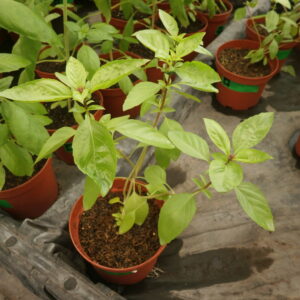
Spinach, Brazil
Culinary Garden ₡1,900.00 Add to cart
Spinach, Brazil
₡1,900.00
SKU: 0705 Category: Culinary GardenScientific name: Alternanthera sissoo
Family: Amaranthaceae
Origin: S America
Medicinal use:The leaves are crisp, slightly more so than temperate spinach, and not slimy. Some cultivars are slightly bitter. Reportedly, Brazilians generally eat it raw in salads with oil or vinegar, tomato and onion, although the literature recommends cooking it. Sissoo spinach can be added to quiches, cakes, curries, dals, pasta sauces, lasagna, or added to dishes and stir-fries at the end of the cooking process as a substitute for spinach and to add a nutty flavor.
32 in stock