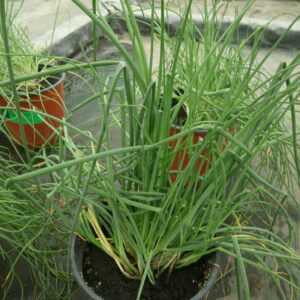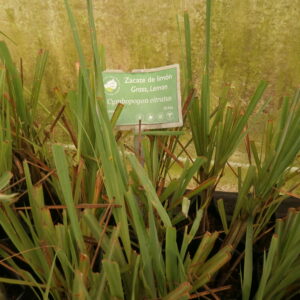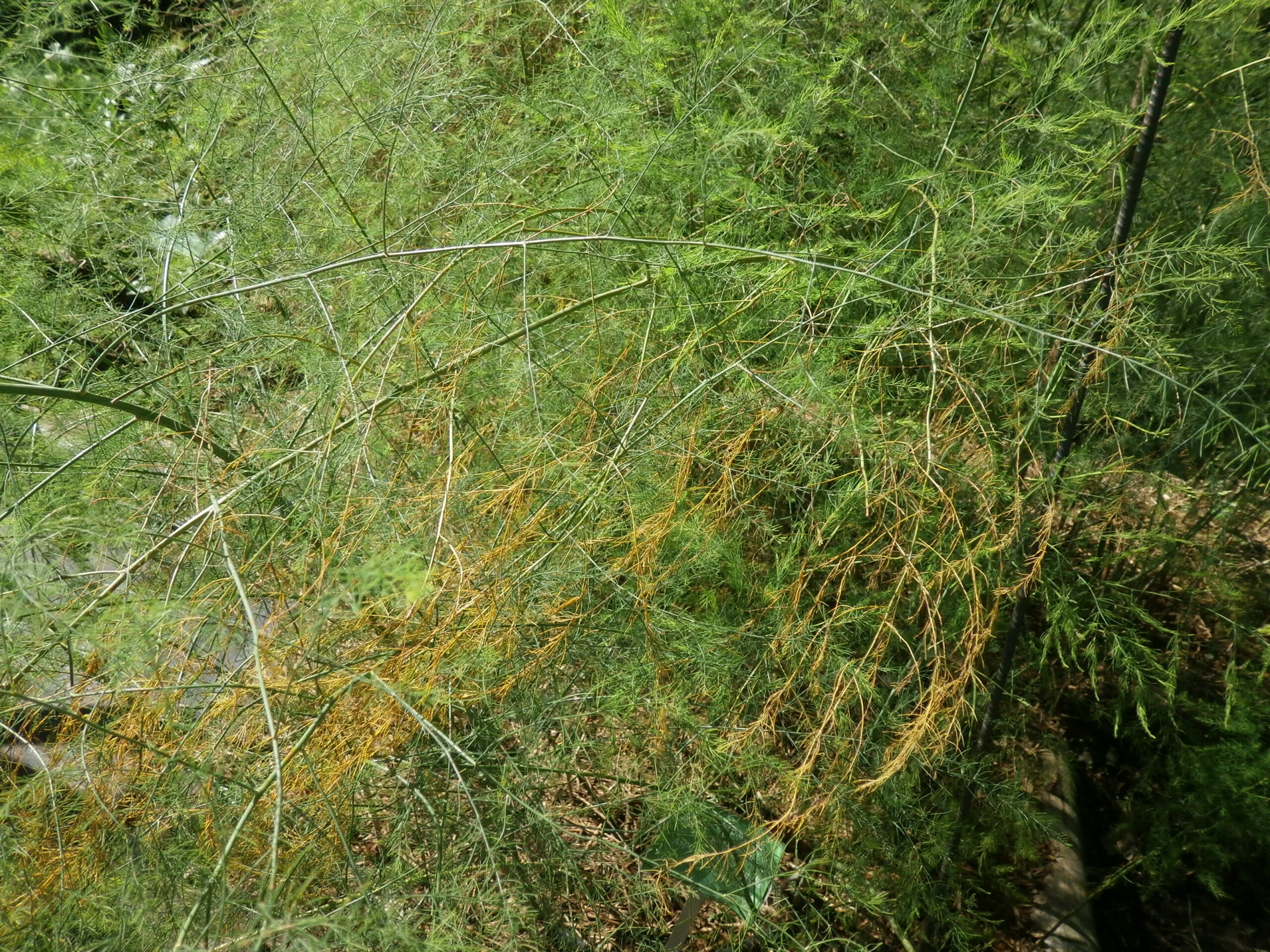
Orange Sweet Potato, Epible
₡1,900.00
Scientific name: Ipomoea batatas
Family:
Origin:
Medicinal use:
38 in stock
Related products
-
Basil, Thai
Culinary Garden ₡1,900.00 Add to cart
Basil, Thai
₡1,900.00
SKU: 0111 Category: Culinary GardenScientific name: Ocimum basilicum
Family: Lamiaceae
Origin: SE Asia
Medicinal use:Its flavor is highly described and argued, the first flavor that we will recognize is that of anise and we will notice hints of licorice, along with a spicy and sweet flavor. Gastronomy: It withstands high temperatures better than any other type of basil, including its simile, sweet basil. It is very typical in the dishes of Laos, Vietnam, Cambodia, and, of course, Thailand.
33 in stock
-
Cilantro, Wild
Culinary Garden ₡1,900.00 Add to cart
Cilantro, Wild
₡1,900.00
SKU: 0650 Category: Culinary GardenScientific name: Eryngium foetidum
Family: Apiaceae
Origin: Mexico and S America
Medicinal use:The leaves are used fresh, whole or chopped, as a substitute for coriander and parsley. In Panama, it is mixed with parsley, garlic, onion and chives to prepare “green recao”, a condiment widely used in the preparation of various stews, sauces and soups.
57 in stock
-
Apazote
Culinary Garden ₡1,900.00 Add to cart
Apazote
₡1,900.00
SKU: 0160 Category: Culinary GardenScientific name: Dysphania ambrosioides
Family: Amaranthaceae
Origin: S Mexico
Medicinal use:In Mexican gastronomy it is used in many dishes, such as corn and esquites, black beans, in some seafood soups such as chilpachole de jaiba, within a wide variety of broths, It is commonly believed that it prevents flatulence caused by consumption of beans. To be used in food, its flowers are removed and it is used as a condiment, adding a deep flavor, with bitter nuances and very aromatic, which is why it is used in moderation.
29 in stock
-
Spinach, Okinawa
Culinary Garden ₡1,900.00 Add to cart
Spinach, Okinawa
₡1,900.00
SKU: 0720 Category: Culinary GardenScientific name: Gynura bicolor
Family: Asteraceae
Origin: S and SE Asia
Medicinal use:In Japan, Gynura bicolor is eaten as local vegetables in Ishikawa, Kumamoto and Okinawa and so on, it is lightly blanched and served with ponzu, as an ingredient in miso or tempura soup, the leaves are sautéed with sesame oil and ginger ( both hot foods). The stems and roots of the plant can also be made into tea by boiling them with water.
47 in stock